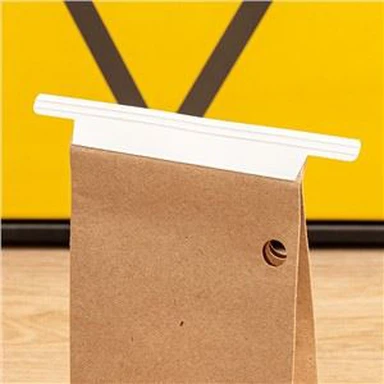
Why Reliable Package Closures Matter More Than Ever in Automated Food Packaging
Jun 05, 2026
The Shift Toward Automation in Food Packaging
Across the global food industry, manufacturers are investing heavily in automation to improve efficiency, reduce labor dependency, and maintain consistent product quality. From commercial bakeries to fresh produce processors, production lines are becoming faster and more sophisticated than ever before.
While discussions about packaging automation often focus on major equipment investments, the performance of smaller packaging components can have an equally significant impact on operational efficiency.
Package closures are one example. Though often overlooked, they play a critical role in maintaining product freshness, supporting automated production lines, and ensuring packaging reliability throughout distribution.
Packaging Reliability Is Becoming a Competitive Advantage
Today's food manufacturers face increasing pressure from rising labor costs, tighter delivery schedules, and growing consumer expectations.
Production interruptions that were once considered minor can now have substantial financial consequences.
Packaging managers are therefore paying greater attention to every component that contributes to line stability, including:
- Packaging materials
- Bag structures
- Closure systems
- Feeding mechanisms
Reliable closures help ensure that packaging lines maintain consistent output without unnecessary downtime or manual intervention.
As production speeds continue to increase, consistency has become just as important as speed.
Different Industries Have Different Closure Requirements
Not all food packaging environments are the same.
Commercial bakeries often require closures that can operate continuously on automated packaging lines while maintaining product freshness for bread and baked goods.
Fresh produce processors need packaging solutions capable of performing reliably in humid environments and refrigerated supply chains.
Organic food brands and specialty product manufacturers are increasingly seeking sustainable packaging solutions that align with environmental commitments and evolving consumer preferences.
As a result, packaging buyers are placing greater emphasis on selecting closure materials that match their operational requirements rather than simply choosing the lowest-cost option.
Sustainability Is Influencing Packaging Decisions
Sustainability continues to shape purchasing decisions throughout the food packaging industry.
Many manufacturers are evaluating alternatives that reduce plastic consumption while maintaining packaging functionality and production efficiency.
Paper-based packaging components, recyclable materials, and environmentally conscious packaging designs are becoming increasingly common across global markets.
For packaging suppliers, this trend creates both challenges and opportunities.
The goal is no longer simply to provide packaging materials but to develop solutions that balance environmental responsibility, operational performance, and cost-effectiveness.
Automation Requires Consistency
One of the most important lessons emerging from modern packaging operations is that automation depends on consistency.
Automated machinery is designed to operate within precise tolerances. Variations in material thickness, flexibility, or feeding performance can create disruptions that affect overall productivity.
This is particularly important for packaging closures used on high-speed lines.
Manufacturers are increasingly evaluating suppliers based on their ability to provide:
- Consistent material quality
- Stable production standards
- Reliable feeding performance
- Long-term supply continuity
These factors contribute directly to equipment uptime and operational efficiency.
Looking Ahead
As food packaging operations continue to evolve, reliable packaging components will remain an important part of successful automation strategies.
The industry is moving toward greater efficiency, stronger sustainability initiatives, and more sophisticated manufacturing environments. In this landscape, packaging performance is no longer measured solely by cost-it is increasingly measured by its contribution to productivity, reliability, and long-term operational success.
For food manufacturers, bakeries, and packaging distributors, selecting the right closure solutions is becoming an essential part of building resilient and future-ready packaging systems.
At TwistTieHD, we continue to work closely with global customers to support these changing industry requirements through reliable packaging closure solutions designed for modern food packaging operations.

---
Further Reading from TwistTieHD
The packaging industry continues to evolve alongside advancements in automation, sustainability, and production efficiency. For additional insights, readers may find the following resources helpful:
- How To Choose PPWR-Compliant Bread Bag Closures For The August 2026 EU Deadline
- Eco-Friendly Trends in Food Packaging: Sustainable Tin Tie Solutions
- TWIST-HD Showcases Innovative Packaging Solutions At China International Bakery Exhibition
These articles provide practical perspectives on packaging performance, automation compatibility, and closure selection for modern food manufacturing environments.