


With the European Union's Packaging and Packaging Waste Regulation (PPWR) deadlines looming, the pressure is on for bakery packaging manufacturers and exporters to adapt. Small components like bread bag closures are facing major scrutiny because they directly impact the recyclability of the entire packaging system.
If you are a manufacturer or exporter optimizing your product lineup for European buyers, navigating these changes early is a major competitive advantage. Here is a practical breakdown of how to guide your customers toward compliance before the regulation shifts into high gear.
The PPWR Reality Check for Closures
The core objective of PPWR is ensuring that all packaging is either recyclable or reusable, focusing heavily on material separation and monomaterial design.
Historically, standard plastic twist ties (often combining PE with a central iron wire) have been a headache for recycling facilities. They are difficult to separate, easily slip through mechanical sorting screens, and can contaminate single-stream recycling. Under PPWR, if a closure makes the entire bread bag unrecyclable, European importers will simply stop buying it to avoid steep non-compliance penalties and eco-modulation fees (where less recyclable packaging incurs higher taxes).
Choosing the Right Closure Solutions
When balancing the strict requirements of EU buyers with the practical needs of commercial bakeries, the decision generally comes down to two primary paths:
1. Paper Twist Ties (The Premium Eco-Friendly Choice)
Paper-based closures have become the go-to recommendation for brands pushing for an immediate, visibly sustainable image. They are particularly favored for artisan loaves, craft paper bags, and organic bakery products.
- PPWR Alignment: Reduces overall plastic usage and pairs exceptionally well with paper-based or compostable bread bags, allowing for easier monomaterial recycling stream sorting.
- What to Look For: Ensure the paper used is FSC-certified (Forest Stewardship Council) and uses water-based, non-toxic inks for branding or coding.


2. PET & Monomaterial Plastic Ties (The High-Speed Industrial Choice)
For high-volume, automated commercial bakery lines, paper isn't always tough enough. PET twist ties offer the necessary tensile strength, flexibility, and moisture resistance required to keep up with intense production demands without snapping.
- PPWR Alignment: To pass strict EU regulations, industrial buyers look for closures made from recycled plastic content (like rPET) or monomaterial plastics that can be easily separated from the main bag via magnetic or optical sorting at recycling facilities.
- What to Look For: Look for suppliers who provide verified material data sheets proving the exact percentage of post-consumer recycled (PCR) content and confirming food-contact compliance (EFSA/FDA).

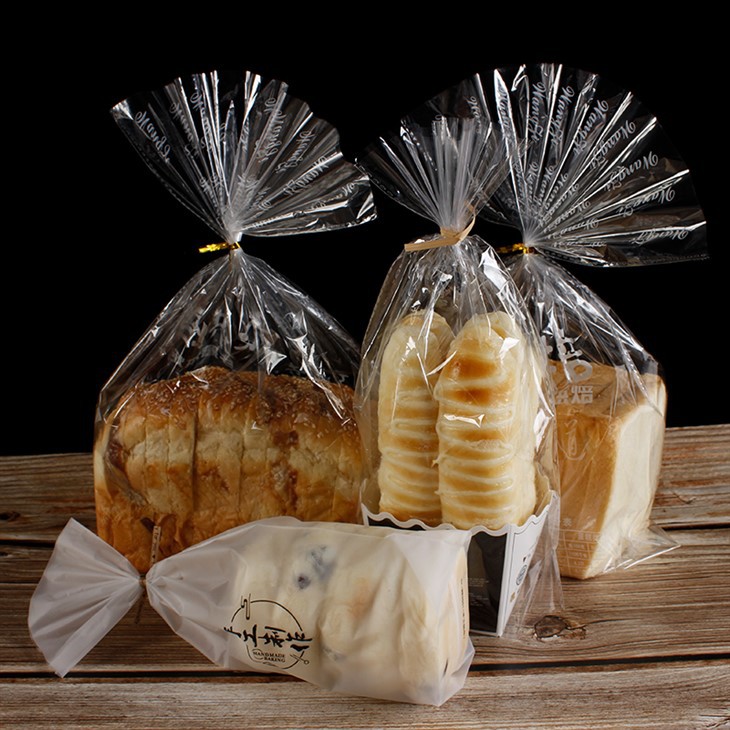

Key Technical Considerations for Exporters
When manufacturing or sourcing these components for the EU market, focus on three critical operational pillars:
- Automation Compatibility: Industrial bakeries cannot afford machine jams. Compliant closures must feed smoothly through automatic twist-tie machines and semi-automatic lines without peeling or leaving residue that causes downtime.
- Lightweighting: PPWR actively penalizes over-packaging. Reducing the gauge of the plastic layer or the thickness of the wire core while maintaining sealing integrity helps buyers hit their strict material reduction targets.
- Total Documentation Transparency: European buyers are requiring comprehensive compliance portfolios. Be prepared to provide clear product specifications, food safety certificates, and raw material traceability documents up front.
Quick Application Matrix
|
Bakery Application |
Recommended Closure |
Primary Benefit |
|
Artisan & Organic Loaves |
Paper Twist Tie |
Premium, low-plastic aesthetic |
|
Commercial Mass Production |
Monomaterial / rPET Tie |
High-tensile strength, zero machine jams |
|
Moisture-Heavy & Fresh Produce |
Water-Resistant Composite |
Resists degradation on the shelf |


