In the daily details of bread packaging, twist ties are often regarded as insignificant accessories, but their potential impact on consumer experience and brand image is far beyond imagination. This article analyzes how this small tool can become an emotional bond between food companies and consumers from the perspectives of user behavior insights, brand differentiation strategies and market segmentation needs.
1. Consumer behavior insights: from functional satisfaction to experience optimization
The design of twist ties directly affects consumers' usage habits and satisfaction:
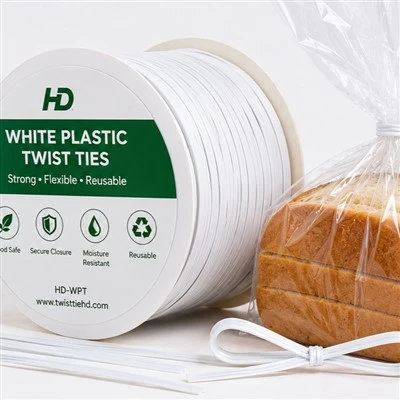
a. Convenience and intuitive operation: Consumers expect to quickly open and close bread bags. The optimized twist ties reduce the frustration of entanglement or breakage through elastic materials and appropriate length. The survey shows that smooth operation of the tie can increase consumers' willingness to repurchase by 15%.
b. Psychological security: A well-sealed tie not only extends the shelf life of bread, but also sends a signal that "the brand attaches importance to product quality." For example, a baking brand found in a user survey that consumers pay more attention to the sealing of the tie than the appearance of the package.
c. Repeated use habits: Cable ties that can be opened and closed multiple times are used by consumers for household storage (such as sealing snack bags), which indirectly extends the brand exposure cycle.
2. Brand differentiation: from logo design to emotional connection
Twist-tie tie becomes an invisible medium for brands to convey value:
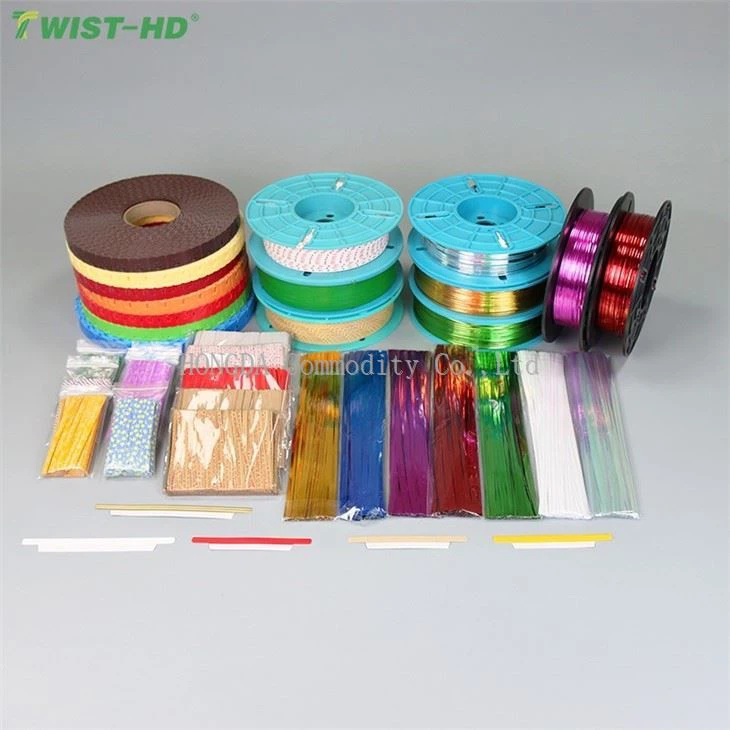
• Color and logo customization: Some brands bind the color of the tie to the product series (such as whole wheat bread with brown tie), or print the brand logo and environmental slogans on the tie to enhance visual recognition. An organic bread brand successfully attracts environmentally conscious consumers by conveying the concept of naturalness through green tie.
• Interactive design: A few high-end brands try to add interesting copywriting to the tie (such as "Daily Fresh Code"), or combine QR code links to recipe pages to increase user participation.
• Cultural symbol implantation: Holiday limited edition tie (such as the red tie with zodiac pattern printed on it during the Spring Festival) can not only increase holiday sales, but also strengthen brand cultural affinity.
3. Market segmentation demand: from mass to scene customization
There are significant differences in the functional requirements of twist tie ties in different consumption scenarios:
a. Family consumption scenario: Durability and environmental protection are equally important
Family users prefer reusable tie ties and are sensitive to environmentally friendly materials. A European brand launched a detachable silicone sleeve + metal core tie, which is durable and can replace parts separately to reduce waste.
b. Portable and ready-to-eat scenario: lightweight and one-handed operation
For office workers or outdoor consumers, lightweight and easy-to-tear tie ties are more popular. For example, a Japanese bread brand uses a pre-cut tie design, which allows consumers to open the bag with one hand, suitable for commuting scenarios.
c. High-end gift scenario: refinement and ritual
Gift boxes of bread are often paired with customized tie ties, such as silk materials or hot stamping technology, to enhance the unboxing experience. A French bakery uses this kind of design to increase the price of ordinary bread gift boxes by 30%.
4. Consumer education under the environmental protection trend
As environmental awareness increases, consumers' attention to packaging sustainability forces companies to innovate:
• Material transparency: Brands mark the material of cable ties on the packaging (such as "100% recyclable aluminum") and use promotional videos to show the recycling process to enhance trust.
• Recycling incentive plan: Some companies have launched the "collect 10 cable ties to exchange for new products" activity to promote consumer participation in the circular economy.
• Simplified design advocacy: reduce excessive packaging of cable ties (such as removing the outer plastic film) to meet the trend of minimalist life.
5. Future direction: data-driven personalized services
With the empowerment of technology, twist tie can become the entrance for brands to obtain user data:
• Smart cable tie pilot: integrated micro sensors monitor the freshness of bread, and the data is synchronized to the mobile phone APP to remind consumers the best time to eat.
• User habit analysis: optimize product size or delivery cycle through the frequency and scenario data of cable tie use. For example, users who frequently buy small packages of bread may need mini cable ties more.
• Dynamic pricing model: Adjust product mix and pricing strategy based on regional market preferences for cable tie features (such as demand for cold resistance).
Conclusion
The value of twist ties has long surpassed functional packaging and has become a bridge for brands to communicate with consumers. From optimizing user experience in subtle ways to conveying brand concepts through design, this small tool plays the role of a "hidden champion" in market competition. For food companies, a deep understanding of consumer needs and working with professional suppliers (such as Zhenjiang Hongda Daily Necessities Co., Ltd.) to develop customized solutions will be a key step in improving brand loyalty.
Contact information
ZHENJIANG HONGDA COMMODITY CO.,LTD.
Email: hongda@twistties.cn