How Packaging Influences Consumer Purchase Decisions
How Packaging Influences Consumer Purchase Decisions in Retail Stores
When shoppers encounter products on a retail shelf, packaging is often one of the first sources of information they notice. Before comparing ingredients, prices, or product specifications, consumers may form initial impressions based on colour, shape, typography, imagery, materials, and other visual cues.
Packaging does not determine whether a product will be purchased. Price, brand familiarity, product category, promotions, availability, and previous experience can all influence the final decision. However, packaging can affect whether a product is noticed, considered, and perceived in a particular way.
This article examines how packaging influences consumer perceptions in physical retail environments, focusing on shelf appeal, brand and quality perceptions, functionality, sustainability, and common packaging issues that may discourage purchase.
Why Packaging Matters in Retail
Retail shelves often contain many products competing for attention. Shoppers do not always compare every option in detail, particularly when making routine purchases. Instead, they may use visual and informational cues to narrow down their choices.
At the shelf, packaging can influence the shopping experience in several ways:
- Attracting attention – helping a product stand out among competing packages.
- Communicating information – presenting the product name, category, key characteristics, and other relevant information.
- Supporting brand recognition – helping shoppers identify and distinguish familiar brands.
- Setting expectations – signalling a particular level of quality, style, convenience, or positioning.
Packaging therefore functions as more than a protective container. It is also part of the information environment in which consumers evaluate products.

First Impressions: How Shelf Appeal Attracts Shoppers
A product's visual appearance can influence whether shoppers stop to examine it more closely. Colour, shape, typography, imagery, and overall layout work together to create the package's shelf presence.
This does not mean that one design element will automatically produce a purchase. The effectiveness of a packaging design depends on the product category, target consumers, competing products, and retail environment.
Colour
Colour is one of the most noticeable visual elements of packaging. Certain colours can create commonly recognised associations, but these associations are not universal.
For example, green is often associated with natural or health-oriented products, while blue may be perceived as dependable or clean. Black, metallic finishes, and gold may be used to create a premium visual impression.
However, colour perception depends on context. Cultural background, product category, colour combinations, and the specific shade can all change how a package is interpreted. A colour strategy that works well in one market may not have the same effect in another.
Shape and Size
The physical form of a package contributes to its visual identity on the shelf. A distinctive bottle, box, pouch, or container can make a product easier to recognise among similar packages.
Package size can also affect consumer perception. Larger formats may be associated with quantity or value, while smaller formats may be perceived as convenient or suitable for individual use. These interpretations depend on the product category and the context in which the package is presented.
Typography and Images
Typography affects how easily shoppers can identify and read important information. Clear hierarchy, appropriate font sizes, and sufficient contrast can make product information easier to process during a brief shelf interaction.
Images serve a different but complementary purpose. Product photography, illustrations, ingredient imagery, and other visual elements can help consumers understand what the product is and what they might expect from it.
For food packaging in particular, images may influence expectations about flavour, texture, ingredients, or serving style. The more closely these visual cues correspond to the actual product, the less likely the package is to create misleading expectations.

Packaging, Trust, and Brand Perception
Packaging can also influence how consumers perceive the quality and credibility of a product.
Consistent branding, clear information, appropriate materials, and a well-organised design can contribute to an impression of professionalism and reliability. Conversely, damaged, confusing, or poorly executed packaging may create uncertainty before the product is even purchased.
Packaging can communicate several types of information and expectations:
- Product quality – materials, finishes, and design choices may contribute to perceived positioning.
- Freshness and condition – appropriate packaging structures and visible product information can help communicate how a product is packaged and handled.
- Brand identity – colours, typography, graphics, and structural features can make a product recognisable.
- Product transparency – windows or transparent areas can allow shoppers to see some or all of the contents where appropriate.
The relationship between packaging and trust is not purely visual. Consumers ultimately compare what the package promises with the actual product experience. If the packaging creates expectations that the product does not meet, the initial positive impression may not translate into satisfaction or repeat purchase.
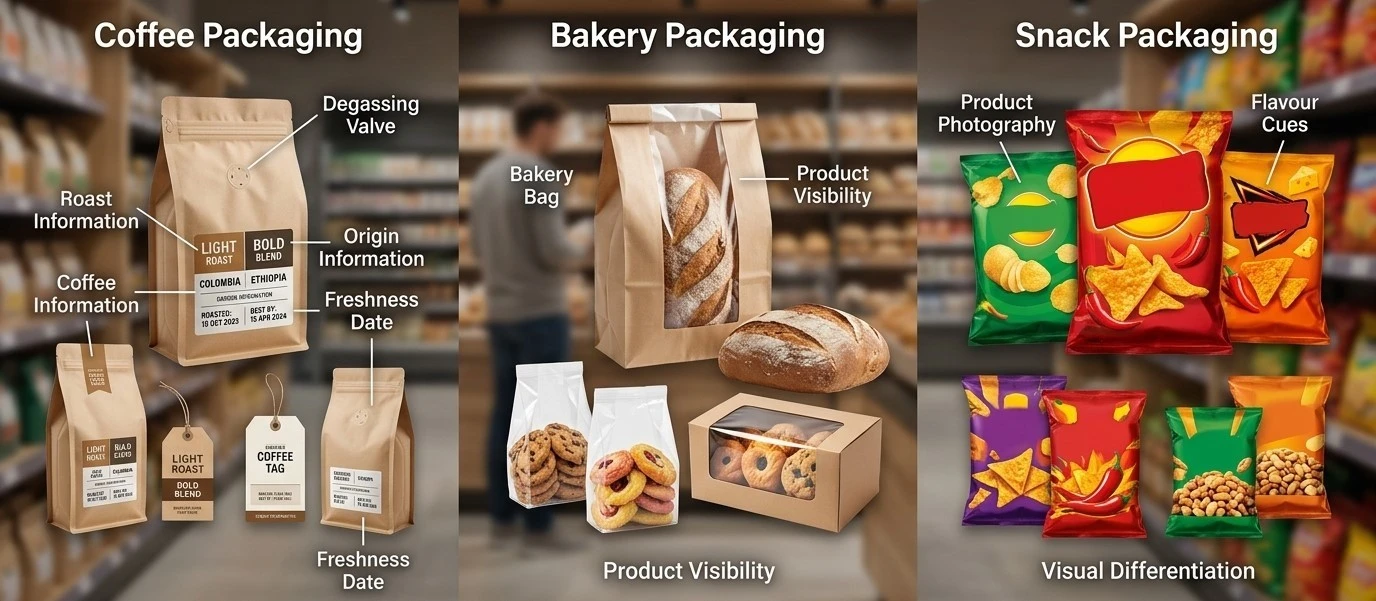
Examples Across Product Categories
Different product categories use packaging to communicate different types of information.
Roast information, origin details, freshness dates, and structural features appropriate to the product help consumers understand what they are buying.
Bakery packaging may use transparent windows or open visual areas to show the product itself, particularly when appearance is an important part of the buying decision.
Product imagery, colour, flavour information, and clear branding help shoppers distinguish between varieties.
In each case, packaging provides cues that influence expectations before the product is opened or consumed.
Functional Packaging and the Shopping Experience
Visual appeal is only one part of the packaging experience. Functional characteristics can also influence how consumers evaluate a product, particularly when packaging is handled before purchase or used repeatedly after purchase.
Packaging that is difficult to open, inconvenient to carry, difficult to store, or unsuitable for repeated use can create negative experiences. In contrast, packaging that addresses practical needs can contribute to perceived convenience.
Important functional considerations include:
- Ease of opening – whether the package can be accessed without unnecessary effort.
- Resealability – whether the package can be securely closed again after opening.
- Portability – whether the package is practical to carry and handle.
- Storage efficiency – whether the package fits reasonably well into common storage spaces.
- Product protection – whether the packaging structure provides appropriate protection from moisture, air, light, contamination, or physical damage where required.
Not every consumer evaluates all of these features before purchasing. Some, such as shelf appearance, are immediately visible, while others become more important during product use.
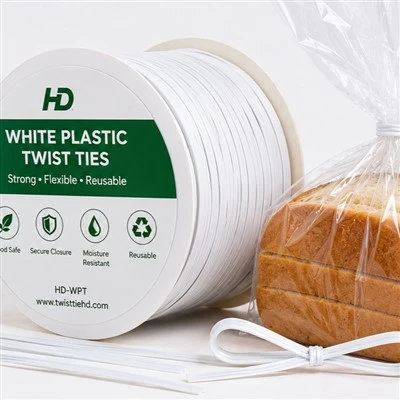
For products intended to be consumed over multiple occasions, closure and resealing features can therefore become part of the broader consumer experience rather than simply a packaging specification. For packaging that uses twist ties, the appropriate closure format can also depend on the bag structure, product requirements, and intended use.
Sustainability and Consumer Considerations
Environmental considerations can also influence packaging perceptions in some markets and product categories. Consumers may pay attention to whether packaging is recyclable, reusable, made with reduced material, or designed to use paper-based or other alternative materials.
However, sustainability is rarely considered independently of other requirements. Consumers may also expect packaging to provide adequate product protection, convenience, appearance, and functionality.
This creates practical trade-offs. For example, reducing packaging material may be desirable from a resource perspective, but the resulting package still needs to provide the level of protection required by the product. Similarly, a material may appear environmentally preferable without necessarily having the same recycling infrastructure or end-of-life options in every market.
💡 Key takeaway: Environmental claims should be specific and supportable. Vague or exaggerated sustainability messages can create confusion and may weaken consumer trust.
For packaging designers, the more useful question is not simply whether a material appears sustainable, but whether the overall packaging system balances environmental considerations with the functional requirements of the product and its distribution channel.
Common Packaging Issues That May Discourage Purchase
Packaging can also work against a product when its design creates confusion, inconvenience, or expectations that the product cannot meet.
Common issues include:
- Cluttered or confusing information – excessive text or poor information hierarchy can make important details difficult to find.
- Weak shelf presence – packaging that visually blends into its surroundings may receive less attention.
- Difficult opening – complicated or frustrating opening mechanisms can negatively affect the user experience.
- Excessive packaging – unnecessary material or oversized structures may be perceived as wasteful or inconvenient.
- Inconsistent branding – packaging that differs substantially from established brand cues may make product recognition more difficult.
- Misleading visual cues – images, structural features, or package proportions that create unrealistic expectations can lead to disappointment.
These problems do not necessarily require a complete packaging redesign. In some cases, relatively small changes to information hierarchy, colour contrast, product visibility, opening mechanisms, or package proportions may improve the overall experience.
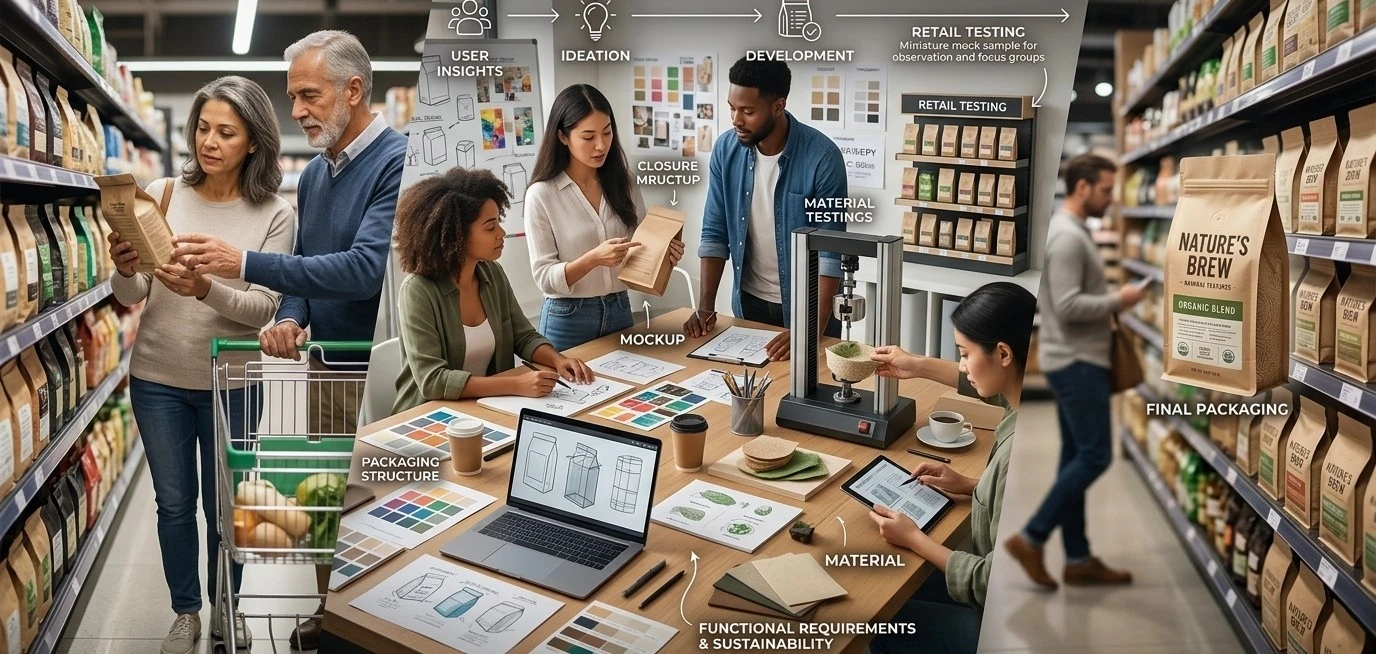
Testing packaging in realistic retail environments can help identify problems that may not be obvious during the design stage.
How to Design Packaging Around Consumer Needs
Effective packaging design requires a balance between visual communication, product requirements, consumer expectations, and practical use.
Several considerations can help guide the process:
- Make Brand Recognition Clear – Brand colours, logos, typography, and other visual identifiers should work together consistently so that shoppers can recognise the product without searching for the brand name.
- Communicate Important Information Clearly – Consumers should be able to identify what the product is and understand its most relevant characteristics without having to navigate an unnecessarily complex package.
- Match Materials and Structure to the Product – Packaging materials and structures should be selected according to the product's protection, storage, transport, handling, and usage requirements rather than appearance alone.
- Consider the Competitive Shelf Environment – A package should be evaluated in relation to neighbouring products, not only against a blank background. Colour contrast, package shape, information hierarchy, and visual scale can all affect how it appears on an actual shelf.
- Test Usability – Consumer testing can reveal practical problems involving opening, carrying, storing, handling, and repeated use. These observations can complement visual and market research.
- Evaluate Sustainability in Context – Consider material use, recyclability, reuse, product protection, distribution requirements, and local waste-management systems together rather than relying on a single sustainability attribute.
- Adapt to the Retail Channel – Packaging designed for a supermarket shelf may require different priorities from packaging sold through a specialty retailer, convenience store, or another retail environment. Shelf density, viewing distance, handling conditions, and shopper expectations can all vary.
The goal is not to follow a universal packaging formula. Effective packaging usually results from testing how different design choices perform with a particular product, audience, and retail environment.
Conclusion
Packaging can influence consumer purchase decisions by shaping what shoppers notice, how they interpret a product, and what they expect from it. Colour, shape, typography, imagery, materials, branding, functionality, and sustainability cues can all contribute to these perceptions.
At the same time, packaging is only one part of the purchase decision. Price, product quality, brand familiarity, promotions, retail placement, category expectations, and previous experience can be equally or more important depending on the situation.
🔍 Final thought: Packaging is better understood as part of the broader consumer experience rather than simply as a sales tool. Packaging that communicates clearly, creates appropriate expectations, supports practical use, and meets the product's functional requirements can help consumers make more informed choices.
For brands developing or updating retail packaging, ongoing testing is often more useful than relying on assumptions about what consumers will prefer. Evaluating packaging in real shelf environments and during actual product use can reveal opportunities to improve both communication and usability.
If you wish to purchase relevant products, please contact us.