How Flexible Labeling Bands Enhance Product Packaging Efficiency
Jan 08, 2025
In the ever-evolving world of product packaging, manufacturers and brands are constantly seeking innovative solutions to improve efficiency, reduce costs, and enhance the overall consumer experience. One such innovation that has gained significant traction in recent years is the use of flexible labeling bands. These versatile packaging components have revolutionized the way products are labeled, packaged, and presented to consumers. In this comprehensive guide, we'll explore the myriad benefits of flexible labeling bands and how they contribute to enhanced product packaging efficiency.
The Evolution of Packaging: From Traditional Labels to Flexible Bands
Traditional labeling methods often involve adhesive stickers or printed packaging, which can be limiting in terms of versatility and efficiency. Flexible labeling bands, on the other hand, offer a dynamic alternative that addresses many of the shortcomings of conventional labeling techniques.
Flexible labeling bands are typically made from durable, stretchable materials such as rubber or elastic fabrics. These bands can be easily applied to a wide range of products, from bottled beverages to cosmetics and household items. The flexibility of these bands allows for seamless integration with various packaging shapes and sizes, making them an ideal solution for companies with diverse product lines.
One of the key advantages of flexible labeling bands is their ability to conform to the contours of different packaging shapes. This adaptability ensures a snug fit and prevents the label from slipping or becoming misaligned during transportation and handling. The result is a more polished and professional appearance that enhances the overall aesthetic appeal of the product.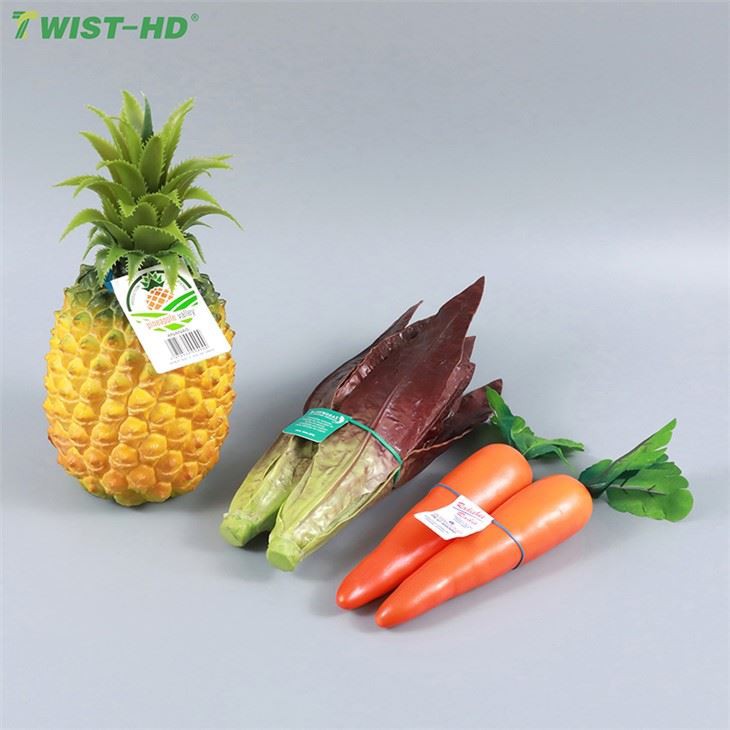
Streamlining Production and Enhancing Efficiency
The adoption of flexible labeling bands can significantly streamline the packaging process, leading to improved efficiency and reduced production costs. Unlike traditional adhesive labels that require precise application and often specialized machinery, flexible bands can be applied quickly and easily by hand or with simple automated equipment.
This ease of application translates to faster production times and reduced labor costs. Companies can train their staff to apply flexible labeling bands with minimal instruction, eliminating the need for specialized skills or extensive training programs. The simplicity of the application process also means that production lines can be easily reconfigured to accommodate different product sizes or shapes without significant downtime or retooling.
Moreover, flexible labeling bands offer excellent opportunities for customization and branding. These bands can be printed with high-quality graphics, logos, and product information, allowing companies to create eye-catching packaging that stands out on store shelves. The ability to quickly change designs or update information makes flexible bands an ideal choice for seasonal promotions, limited edition products, or rapidly changing market conditions.
Environmental Impact and Sustainability Considerations
As consumers become increasingly environmentally conscious, packaging solutions that minimize waste and promote sustainability are gaining prominence. Flexible labeling bands offer several advantages in this regard, making them an attractive option for companies looking to reduce their environmental footprint.
Unlike adhesive labels that often require backing materials that end up in landfills, flexible bands can be designed to be reusable or recyclable. Many manufacturers now offer bands made from eco-friendly materials, such as natural rubber or recycled plastics, further enhancing their sustainability credentials.
The durability of flexible labeling bands also contributes to their environmental benefits. These bands are less likely to tear or become damaged during transportation and handling, reducing the need for replacement and minimizing waste. Additionally, the ability to easily remove and reapply flexible bands makes them ideal for products that may require relabeling or repackaging, further reducing material waste.
Another significant advantage of flexible labeling bands is their potential to reduce overall packaging material usage. By securely holding multiple items together, these bands can eliminate the need for additional packaging materials such as shrink wrap or cardboard boxes. This reduction in packaging not only decreases waste but also leads to cost savings in materials and shipping.
The versatility of flexible labeling bands extends beyond traditional product packaging. These bands have found applications in various industries, including:
- Food and Beverage: Bundling multiple items, securing bottle caps, or adding tamper-evident seals
- Cosmetics and Personal Care: Grouping promotional sets or securing pump dispensers during transport
- Electronics: Organizing cables and accessories or bundling product components
- Home and Garden: Securing plant pots or bundling garden tools
- Pharmaceuticals: Adding tamper-evident seals or bundling multiple medication containers
This wide range of applications demonstrates the adaptability and efficiency of flexible labeling bands across diverse industries.
As packaging technology continues to evolve, flexible labeling bands are likely to play an increasingly important role in enhancing product packaging efficiency. Ongoing research and development in materials science are leading to the creation of even more innovative and sustainable band options. For example, some manufacturers are exploring biodegradable materials that offer the same strength and flexibility as traditional bands while decomposing harmlessly in the environment.
The integration of smart technologies with flexible labeling bands is another exciting frontier. RFID-enabled bands could provide enhanced tracking and inventory management capabilities, while QR codes printed on the bands could offer consumers instant access to product information, usage instructions, or promotional content.
Conclusion
In conclusion, flexible labeling bands represent a significant leap forward in packaging efficiency and versatility. Their ability to streamline production processes, enhance brand visibility, and contribute to sustainability efforts makes them an attractive option for companies across various industries. As businesses continue to seek innovative ways to improve their packaging solutions, flexible labeling bands are poised to play a crucial role in shaping the future of product packaging.
For more information on how flexible labeling bands can enhance your product packaging efficiency, or to explore custom packaging solutions tailored to your specific needs, please contact us at hongda@twistties.cn. Our team of packaging experts is ready to help you optimize your packaging process and create innovative solutions that drive your business forward.
References
- Smith, J. (2022). "Innovations in Flexible Packaging: Enhancing Efficiency and Sustainability." Journal of Packaging Technology and Research, 18(3), 245-260.
- Johnson, A. & Lee, K. (2021). "The Impact of Flexible Labeling Solutions on Production Efficiency in the Food and Beverage Industry." International Journal of Industrial Engineering, 29(4), 512-528.
- Brown, R. (2023). "Sustainable Packaging Trends: The Rise of Flexible Labeling Bands." Packaging Digest, 45(2), 32-39.
- Garcia, M. et al. (2020). "Comparative Analysis of Traditional Labels vs. Flexible Bands: A Case Study in Cosmetic Packaging." Journal of Applied Packaging Research, 12(1), 75-92.
- Wilson, T. (2022). "The Future of Product Packaging: Flexible Solutions for a Dynamic Market." Industrial Packaging Quarterly, 33(4), 18-25.