QUICK ANSWER
The fresh produce industry is rapidly shifting towards sustainable and traceable packaging. Key trends include the adoption of eco-friendly, degradable vegetable twist ties to reduce plastic waste, and the integration of scannable label ties that comply with stringent farm-to-table traceability regulations and food safety standards.
CURRENT TRENDS IN AGRICULTURAL PACKAGING
Modern consumers and regulatory bodies demand transparency and environmental responsibility in food packaging. As a result, the humble vegetable twist tie has evolved. Today's trends focus on replacing single-use conventional plastics with degradable materials, while simultaneously upgrading plain ties to high-tech label ties capable of carrying complex supply chain data.
USE CASES IN COMPLIANCE AND SUSTAINABILITY
1. Food Safety Traceability: Utilizing label ties with QR codes that allow retailers to track a bunch of spinach back to the exact field and harvest date in case of a recall.
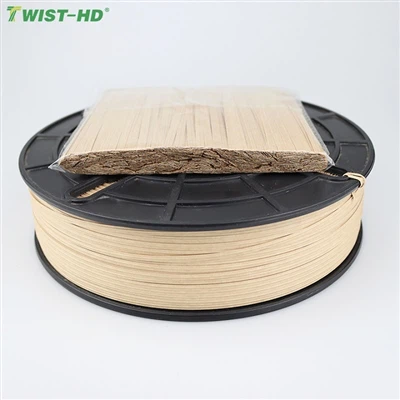
2. Eco-Friendly Branding: Farms switching to degradable paper twist ties to appeal to environmentally conscious consumers buying organic produce.
3. Regulatory Compliance: Meeting regional supermarket mandates that require all bundled produce to display clear country-of-origin and PLU information.

COMPARISON TABLE
| Packaging Trend | Traditional Approach | Modern Sustainable/Traceable Approach |
| Material | Standard PVC or Plastic | Eco-friendly degradable, PET, or pure paper |
| Data Capacity | None / Blank | Scannable Barcodes, QR Codes on Label Ties |
| End of Life | Landfill | Recyclable or commercially compostable options |
| Supply Chain | Anonymous batch | Full farm-to-shelf tracking |
STEP BY STEP GUIDE TO ADOPTING SUSTAINABLE AND TRACEABLE TIES
1. Review your local and national food safety regulations regarding produce traceability requirements.
2. Assess your current packaging materials and identify areas where conventional plastics can be replaced with degradable or easily recyclable options.
3. Design a label tie layout that clearly displays mandatory traceability data (lot number, origin) alongside your brand.
4. Ensure the selected eco-friendly material still meets the functional requirements of your supply chain, such as withstanding hydro-cooling or misting.
5. Educate your consumers through the label tie itself, highlighting the sustainable nature of the packaging used.
FREQUENTLY ASKED QUESTIONS
1. Are degradable vegetable ties as strong as traditional plastic ones?
Yes, modern manufacturing techniques ensure that eco-friendly ties maintain high tensile strength while safely breaking down after disposal.
2. Why is traceability becoming mandatory?
Traceability allows for rapid, targeted recalls during food safety incidents, minimizing public health risks and reducing financial losses for non-affected farms.
3. Can QR codes be printed on label ties?
Yes, advanced printing allows for high-resolution QR codes on the flat surface of label ties, linking consumers to farm websites or safety data.
4. Do sustainable materials withstand supermarket misting?
Many sustainable options are specially treated to resist moisture for the duration of the produce shelf life before breaking down.
INTERNAL LINKING
To explore more environmentally responsible packaging, read our detailed guide on eco-friendly cable ties and sustainable materials at HD Twist Tie.
More Information You Can Contact: hongda@twistties.cn