Introduction
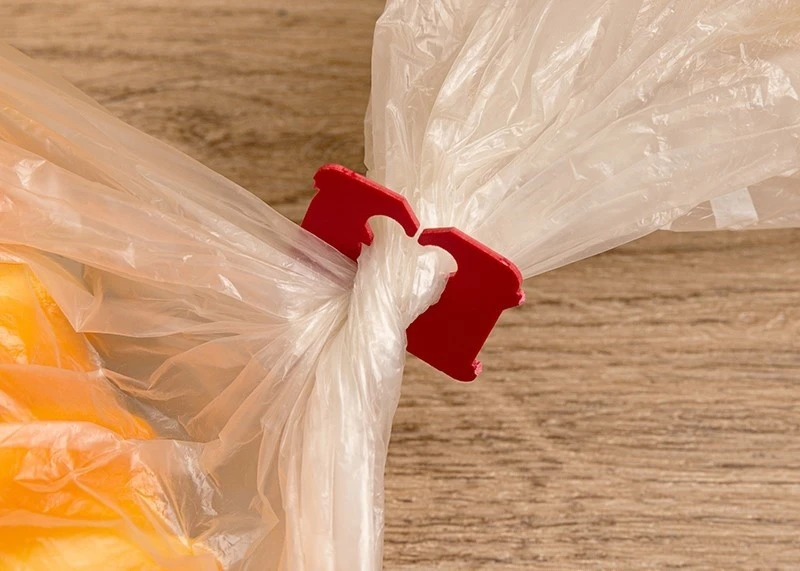
In commercial bakery operations, bread clips serve as the closure component that secures gathered bag necks after bread is placed into packaging bags. Their role is practical and specific: they hold the gathered bag opening closed and support consistent handling through the packaging workflow. This article examines where bread clips fit in commercial bakery packaging, how bag opening structures affect clip application, and what considerations matter for manual and automated operations.

1. Where Bread Clips Fit in the Commercial Bakery Packaging Process
From Bread Preparation to Bagging
After baking and cooling, bread moves to the packaging stage. Product is placed into appropriate bags, the bag opening is gathered and closed, and closed products proceed to inspection, boxing, or display. The bread clip operates at the closure point in this sequence-after bagging and neck preparation, before final product handling. Its effectiveness depends on how well it integrates with the surrounding steps rather than on the clip alone.
The Role of Bread Clips in Bag Closure
The clip secures the gathered bag neck and functions as one component within the broader packaging workflow. Its use requires compatibility with bag opening dimensions, neck preparation methods, and packaging operations. A clip that performs well with one bag type may not perform optimally with another if material, thickness, or gathered neck dimensions differ.
For commercial bakeries evaluating closure components for their packaging operations, [bread clips] can be considered as a practical option for securing gathered bread bag openings.
2. How Bread Bag Opening Structures Affect Clip Application
Bag Material, Opening Size, and Gathered Neck
Bag material flexibility and thickness influence how the bag behaves when gathered. What matters for clip application is the actual dimension of the gathered bag neck-not the flat width of the bag. A bag that appears appropriately sized when laid flat may present challenges when gathered if the material is stiff or the opening is particularly wide. Thinner, more flexible materials may gather more tightly, while thicker materials may require different handling to achieve a consistent gathered neck.
The method of gathering, folding, or preparing the bag neck affects where the clip can be installed and how securely it will hold. A properly prepared neck presents a consistent, manageable bundle. Inconsistent preparation-some bags gathered tightly, others loosely-leads to variable closure results.
Matching the Clip to the Bag Opening
Bread clips need to suit the prepared bag opening structure. Key factors include bag neck thickness, gathered width, and how securely the gathered bag neck is held after clip application. Different bag types should be confirmed through actual packaging samples rather than relying solely on nominal specifications.
3. Manual Bread Clip Application in Bakery Packaging
Preparing Bags and Maintaining Consistency
In manual operations, the process follows a consistent sequence: place bread into the bag, gather the opening, and install the clip at the prepared neck position. Each step requires attention-bread positioned so the neck can be gathered cleanly, the gathered neck presenting a consistent profile, and the clip securing the material without excessive compression or insufficient grip.
Different operators may prepare bag necks differently, affecting closure outcomes. Maintaining a relatively consistent preparation method helps ensure uniform results. Operators should focus on clip position, bag neck positioning, and packaging appearance. Regular communication and training around preparation standards can reduce variation between operators and shifts.
Suitable Packaging Situations
Manual application suits small-batch operations, bakeries with diverse product ranges and frequently changing packaging formats, and operations with significant manual involvement in the packaging workflow.
4. Bread Clips in Automated Bakery Packaging Operations
Integrating Clip Application into the Packaging Line
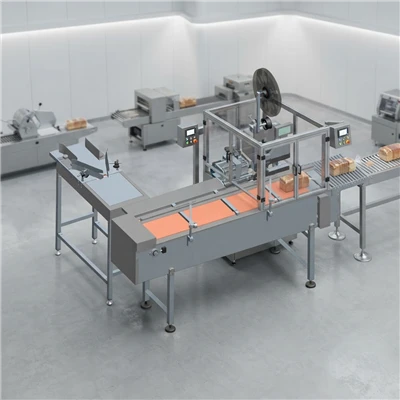
In automated operations, bread enters the bagging stage, the bag opening is prepared, and the closure stage connects with preceding and following packaging steps. The clip application step must synchronize with overall production line speed. Timing, positioning, and consistent bag presentation all affect whether automated clip application performs reliably.
Factors Affecting Automated Application
Several factors influence automated performance: packaging bag size consistency, bag neck gathering state, bread clip specification compatibility, packaging line operating pace, and closure position and operation consistency. Repeatable positioning is essential for uniform results.
Manual and Automated Workflow Considerations
Manual packaging offers higher operational flexibility-operators can adjust to minor variations. Automated packaging requires more stable bag neck preparation and closure conditions but can support consistent closure at higher production volumes. Both approaches require attention to packaging result consistency.
5. Common Packaging Considerations When Using Bread Clips
Practical issues arise in bread clip bakery packaging applications:
- Clip size mismatch: A clip undersized for the gathered neck may not secure properly; an oversized clip may leave the gathered neck too loose.
- Uneven bag neck preparation: Inconsistent gathering creates variable closure results.
- Inconsistent clip positioning: Varying positions affect appearance and closure security.
- Bag material and thickness differences: Material changes between batches can affect gathering and clip performance.
- Packaging variations between product batches: Product size or shape differences may affect bag fill and neck preparation.
These are practical points for maintaining consistent closure results-not equipment troubleshooting items.
6. How to Check Bread Clip Compatibility Before Production
Test with Actual Production Bags
Use actual production bags rather than judging solely by nominal dimensions. Production bags reflect true material characteristics, thickness, and behavior during packaging.
Check the Prepared Bag Opening and Closure Result
Observe the width, thickness, and shape of the bag opening after preparation. The gathered neck should present a consistent profile that the clip can secure effectively. Verify that the clip installs correctly and that the bag opening is appropriately secured without damaging the bag material or creating an excessively bulky or loose result.
Test Under Actual Packaging Conditions
If automated packaging is used, verify the workflow under actual operating conditions. Line speed, bag presentation, and clip application timing all affect real-world performance. Testing under production-like conditions provides more reliable information than isolated bench tests.
Conclusion
Bread clips are one component within the closure stage of commercial bread packaging. Their practical application depends on the clip itself as well as on bread bag structure, bag neck preparation, and packaging operation methods. Before batch production, validating with actual bag types and packaging workflows helps determine whether the closure approach is suitable and supports more consistent results.
If you wish to purchase relevant products, please contact us.