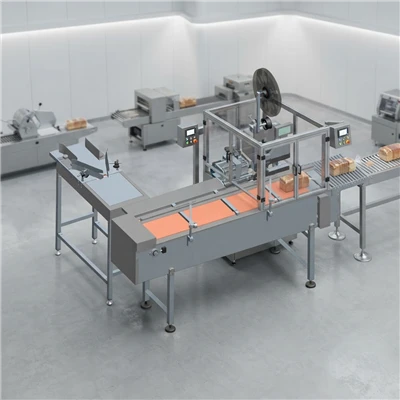
Bakery packaging involves far more than simply placing a product into a bag. The shape of the product, its surface condition, the packaging workflow, and the requirements of retail display all influence how a packaging solution should be assembled. A croissant, a rustic sourdough loaf, and a box of assorted cookies each present different packaging challenges-and each may require a different combination of packaging components.
This article outlines the key elements of a complete bakery packaging solution:
- Packaging format
- Liners and wrapping materials
- Bag closure
- Product identification
- Retail presentation
Rather than recommending specific products, the goal is to help bakeries think through how these components work together as a coherent packaging solution.
Start with the Bakery Product and Packaging Process
The starting point for any packaging solution should be the product itself and the way it moves through the packaging process.
Consider the following questions:
- Is the product bread, pastry, cookies, or another type of baked good?
- Is it packaged individually, in multi-packs, or in bulk?
- Does packaging take place after the product has cooled, in the retail store, or on a production line?
- Will the package need to be reopened after the initial packaging?
These factors shape everything from the choice of packaging format to the type of closure required. A soft loaf of bread may need a bag with enough room at the opening to be gathered and closed, while individual pastries may benefit from a wrap or liner that separates the product from outer packaging. A high-volume production line may have different requirements from a small bakery wrapping items by hand at the counter.
Packaging should be planned around the product and the way it moves through the packaging process, rather than starting with a single packaging accessory. This principle helps ensure that the final solution is coherent and practical.
Choose a Packaging Format for the Product
Once the product and process are understood, the next step is to select an appropriate primary packaging format. Several common formats are used in bakery packaging, each suited to different product types and packaging scenarios.
Bags for Bread and Other Soft Bakery Products
Bags are a natural fit for products that need to be collected at the opening and closed. Soft bakery products such as loaves, rolls, and certain pastries are often packaged in bags that allow the opening to be gathered and secured.
When evaluating bags for these products, consider:
- Whether the bag dimensions match the volume of the product
- Whether there is enough space at the opening for gathering and closing
- How the packaged product will be displayed after packaging
The bag should accommodate the product comfortably without excessive slack, and the opening should allow for the intended closure method. The way the finished package looks on a shelf or counter is also worth considering, as this affects the retail presentation of the product.
Boxes and Other Structured Packaging
Structured packaging such as boxes and trays is suitable for products that need to maintain a specific arrangement or that are intended for retail display. These formats help keep products in place during transport and can provide an attractive presentation surface.
The choice of structured packaging depends on the product's fragility, the desired arrangement, and the retail environment in which it will be sold.
Wraps and liners are supporting materials rather than primary packaging formats, and they are discussed separately in the next section.
Add Liners or Wrapping Materials Where Needed
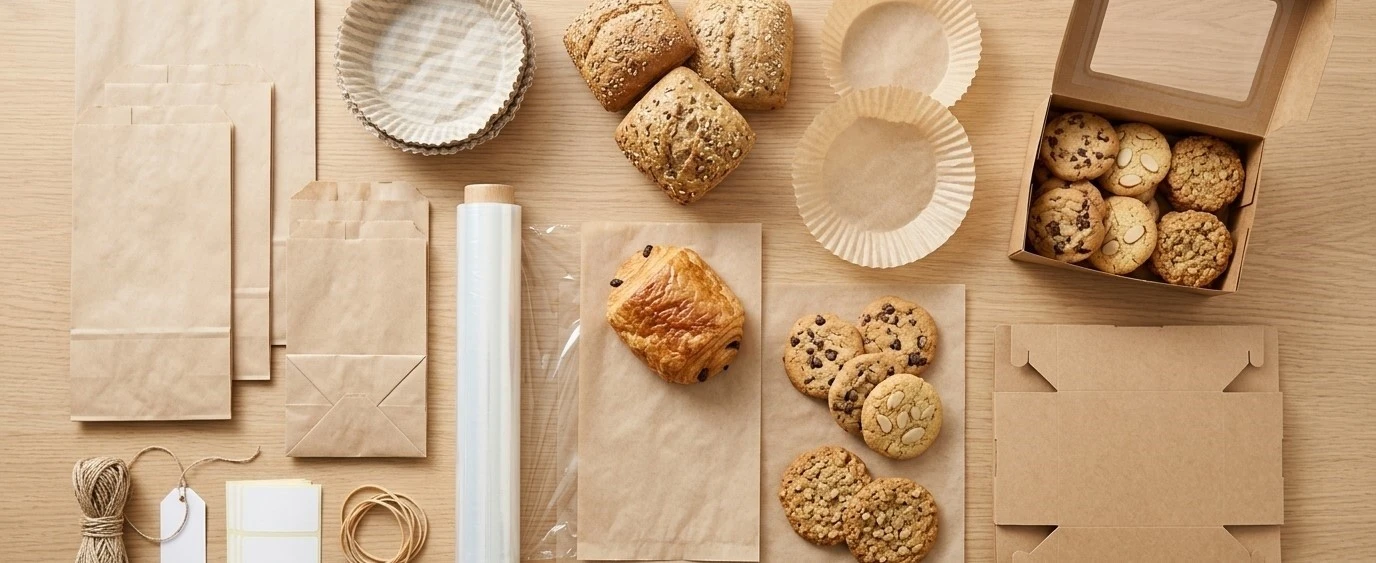
Many bakery packaging solutions combine multiple materials to achieve the desired result. Once a primary packaging format has been selected, liners and wrapping materials can be considered as supporting components.
Liners and wraps may be needed for several reasons:
- Separating the product from outer packaging
- Providing a clean presentation surface
- Wrapping individual bakery items before they are placed into a bag or box
- Adding a protective layer between the product and the package surface
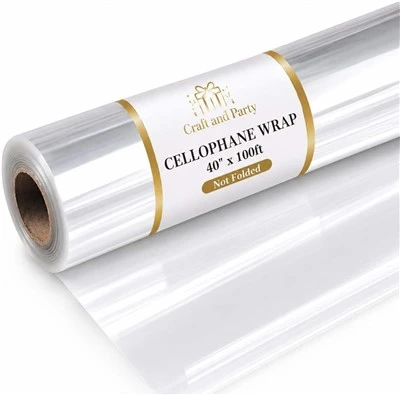
Materials such as greaseproof paper can serve as a liner or wrapping material for some baked goods. Clear film can be used for external wrapping or display of certain products. In some cases, the outer packaging and the material that directly contacts the product serve different functions-for example, a box may provide structure and display, while a liner provides a clean contact layer.
Material suitability depends on the specific food, packaging method, and applicable requirements. No single material is appropriate for all bakery products, and the choice should be made with the specific application in mind.
Plan the Bag Closure as Part of the Packaging System
For products packaged in bags, the closure is an integral part of the overall packaging system. Gathered bag openings may require a separate closure to keep the package secure.
Closure choice depends on several factors:
- Whether the bag opening can be gathered and secured
- Whether packaging is done by hand or as part of a continuous packaging workflow
- Whether the closure method affects the display of the finished package or the ability to reopen it
Some bakery packaging systems use plastic twist ties, bread clips, or other closure formats. Rather than comparing individual closure products, the key point is that the closure should suit the bag format and the packaging workflow. The closure is one component of the overall packaging system, and it should be planned in coordination with the bag format and the way the product is handled after packaging.
If the bag opening cannot be gathered securely, or if the closure method does not suit the packing line, the overall packaging solution may need to be reconsidered.
Include Product Identification and Presentation
After the product is packaged, there may be a need for identification and presentation elements. These can include:
- Product tags
- Printed information
- Labels
- Decorative accessories where appropriate
These elements can serve different purposes-product identification, information display, or visual coordination with the overall brand and retail environment. A tag or label can help communicate what the product is, while a decorative element can contribute to the overall look of the package.
When evaluating retail presentation, consider whether the package is easy to display, whether the product is easy to identify, whether multiple items maintain their intended arrangement, and whether the package appearance is appropriate for the sales environment.
Build the Packaging Solution Around the Full Workflow

A complete packaging solution brings together the various components into a coherent system. A practical approach is to follow a simple sequence:
- Identify the bakery product and package format.
- Determine whether a liner or wrapping material is needed.
- Plan how the package will be closed.
- Check how the packaged product will be handled and displayed.
- Add identification or presentation elements where needed.
This sequence helps ensure that each component is considered in relation to the others. Packaging should be planned as a whole, rather than as a collection of separately purchased materials and accessories that may not work well together.
Examples of Bakery Packaging Combinations
The following examples illustrate how components can be combined for different bakery products. They are illustrative rather than fixed recommendations; the appropriate combination depends on the specific product, packaging process, and applicable requirements.
- Loaf bread: a bag sized to the loaf, a closure suitable for a gathered opening, and a label or tag for identification.
- Individual pastry: a wrap or liner for the individual item, then an outer bag or box for handling and display.
- Assorted cookies: a tray or box to hold the arrangement, a liner to separate the cookies from the tray or box, and identification for the assortment.
These combinations show that the primary format, liner, closure, and presentation elements should be selected together rather than in isolation.
A Practical Packaging Checklist for Bakeries
Before finalizing a packaging solution, consider the following questions:
- Does the package fit the product size and shape?
- Does the package provide the space and structure needed for the intended closure or packaging method?
- Does the packaging process match the production workflow?
- Are the packaging materials appropriate for the intended application?
- Does the finished package provide the required product identification and presentation?
Working through these questions can help identify gaps or mismatches before packaging is put into use.
Conclusion
Different bakery products require different packaging combinations. The packaging format, liner, closure, and presentation should be planned together around the actual product and packaging workflow. Starting with a single accessory and then trying to adapt the rest of the package around it is less effective than designing the solution as a whole.
If you wish to purchase relevant products, please contact us.