Applications of Twist Ties in Packaging: A Practical Guide
Introduction
Twist ties are commonly used in packaging for bag closure, product bundling, and package organization. They consist of a flexible wire core encased in paper or plastic and are available in various lengths, materials, colors, and constructions. This guide provides an overview of how different industries use twist ties in their packaging operations and what to consider when selecting them.
What Are Twist Ties Used for in Packaging?
Closing Bags
Twist ties are widely used to close bags for products such as bread, produce, coffee, and dry goods. They keep the bag opening closed and allow the package to be reopened and resealed by the consumer. This is particularly useful for products that are consumed over multiple uses.
Bundling Products
Twist ties are used to group multiple items together into a single unit. This helps with organization during storage, transport, and retail display. Common examples include bundling cables, hardware components, textiles, and multi‑item product sets.
Supporting Package Presentation
Twist ties can also be used to secure small packaging components, tags, or inserts when the package design requires a removable fastening method.

Applications of Twist Ties in Food Packaging
Bakery Packaging
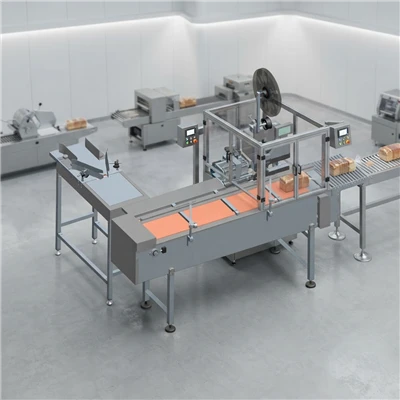
Bakeries commonly use twist ties to close bags containing bread, rolls, pastries, and other baked goods. The closure keeps the bag opening secured and allows consumers to reseal the package after opening. In commercial baking operations, automated twist‑tie applicators can be used in higher‑volume packaging operations. Artisanal bakeries typically use manually applied twist ties, which require no specialized equipment.
Produce Packaging
In fresh produce packaging, twist ties are used to close poly bags containing fruits and vegetables. They also serve to bundle items such as asparagus, herbs, and green onions into manageable portions. The ability to reopen and reseal the bag makes it easier for consumers to wash or use part of the contents and then close the package again for storage.
Coffee and Dry Food Packaging
Twist ties are frequently used to close bags of roasted coffee beans, ground coffee, pasta, rice, beans, and nuts. When used with coffee bags that include degassing valves, the twist tie secures the bag opening while the valve performs the gas‑release function. For dry foods, twist ties provide a practical closure that can be opened and resealed by the consumer over the product's usage period.
Applications of Twist Ties in Gift and Retail Packaging
Gift Sets and Small Products
Gift sets that combine multiple products-such as candles, soaps, or skincare items-often use twist ties to secure individual components to inner inserts or to attach product tags. For small items like jewelry, watches, or accessories, twist ties can be used to attach labels or brand cards without scratching or marking the product surface.
Decorative Packaging
In retail and gift packaging, twist ties may be selected for their visual appearance. Paper‑covered twist ties in colors that match the brand or packaging design can be used to secure tissue paper, organize product cords, or hold information booklets in place. The choice of material and finish can complement the overall presentation of the package.
Retail Bundling
Retailers use twist ties to bundle multi‑packs or promotional product combinations. This is common in toy stores, stationery shops, and hardware retail, where related items are grouped together. Twist ties allow for quick manual bundling and can be easily removed or adjusted at the point of sale.

Applications in Household and Consumer Product Packaging
Textile and Household Products
The textile industry uses twist ties to secure folded garments, attach hang tags, and bundle items such as towels and bed linens. Twist ties are also used to secure cords and cables for small household appliances, keeping them organized within the product packaging.
Small Accessories and Components
For small parts such as screws, hardware pieces, craft supplies, and electronic accessories, twist ties provide a simple bundling method. They can be applied manually at packing stations, making them suitable for small‑batch production, custom orders, and products with variable bundle sizes.
How Twist Ties Fit Different Packaging Requirements
Easy Resealing
When a product is intended to be consumed over multiple occasions, resealability is an important packaging feature. Twist ties allow consumers to open and close the bag repeatedly without the need for additional tools or materials. This is a key consideration for bakery items, produce, snacks, and dry goods.
Product Bundling
When the primary packaging requirement is to group multiple items together, the strength and holding capacity of the twist tie become important. Bundling applications-such as multi‑packs of hardware, textiles, or retail items-require twist ties with sufficient tensile strength to keep the bundle secure during handling and transport.
Package Appearance
For packaging applications where visual presentation is important, the appearance of the twist tie may be a factor. Paper twist ties are available in a range of colors and can be printed with brand colors or patterns. In some cases, the twist tie is visible to the consumer and becomes part of the overall package design.
Different Packaging Environments
Some packaging operations require twist ties that can withstand specific handling or storage conditions. For example:
- Cold storage or freezer environments: The twist tie material should remain flexible at low temperatures.
- High‑humidity conditions: Moisture‑resistant materials or coatings may be needed.
- Automated packaging lines: Twist ties must feed reliably through application machinery and meet the specifications of the equipment being used.

How to Choose Twist Ties for Different Packaging Applications
Material
Twist ties are available with paper or plastic coatings, and the choice depends on the application.
- Paper‑covered twist ties are commonly used in food and retail packaging, subject to the material specifications and applicable food‑contact requirements. They are available in multiple colors and can be printed with custom designs.
- Plastic‑coated twist ties can provide greater moisture resistance and may be selected for applications requiring additional durability.
Size and Length
The required length of the twist tie depends on the diameter of the bag opening or the size of the bundle being secured. Longer ties are needed for larger bag openings or larger bundles, while shorter ties are suitable for small items or narrow bag necks. The wire gauge also varies: heavier gauges provide greater holding strength for heavier products.
Manual or Automated Application
The packaging process determines how twist ties are applied.
- Manual application is common in small‑scale operations, artisanal production, and retail settings. It allows for flexibility in tie selection and does not require specialized equipment.
- Automated application is used in high‑volume packaging lines. In these cases, twist ties are typically supplied on reels or in pre‑cut formats that are compatible with specific applicator machines. Manufacturers provide specifications to ensure compatibility with the packaging equipment.
Twist Ties vs. Other Packaging Closures
Different closure methods are suited to different packaging requirements. The table below compares twist ties with other common closures based on their typical applications:
| Closure Type | General Characteristics | Reclosable | Typical Applications |
|---|---|---|---|
| Twist Tie | Flexible, removable closure | Yes | Bread bags, produce bags, dry goods, bundling |
| Heat Seal | Permanent sealed closure | No | Sealed food packaging |
| Adhesive Closure | Adhesive‑based closure | Limited | Flexible bags and pouches |
| Press‑to‑Close Zipper | Integrated reusable closure | Yes | Reclosable consumer packaging |
The selection of a closure type depends on factors including the product, package material, required handling, appearance, and packaging process.
Common Considerations Before Using Twist Ties
Before specifying twist ties for a packaging application, consider the following:
- Product requirements: Confirm that the twist tie material is compatible with the product, particularly for food, pharmaceutical, or sensitive electronic items.
- Consumer use: Twist ties are most appropriate for products that benefit from reclosability or bundling. Evaluate whether these features add practical value for the end user.
- Packaging line compatibility: For automated operations, verify that the twist tie format is compatible with the existing equipment.
- Bag or package structure: Consider whether the packaging material and opening can accommodate the selected twist tie.
- Material specifications: Paper twist ties are used in many food and retail applications, but the specific material composition-including coatings, adhesives, and wire type-should be reviewed against the application requirements.
- Regulatory compliance: For food‑contact packaging, ensure that the twist tie complies with applicable food‑contact regulations in the target markets.
Conclusion
Twist ties are suitable for packaging applications that require simple closure, resealing, bundling, or package organization. They are used across food, retail, household, and consumer product packaging. The appropriate option depends on the product, bag material, required handling, appearance, and packaging process.