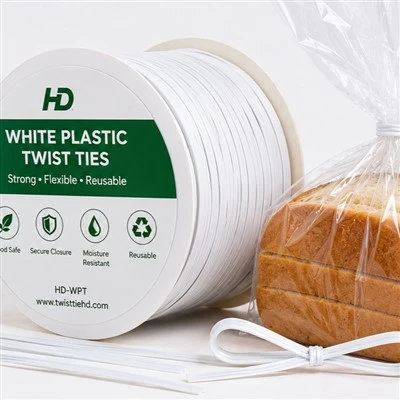
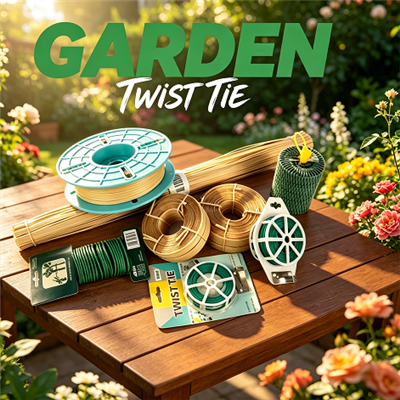
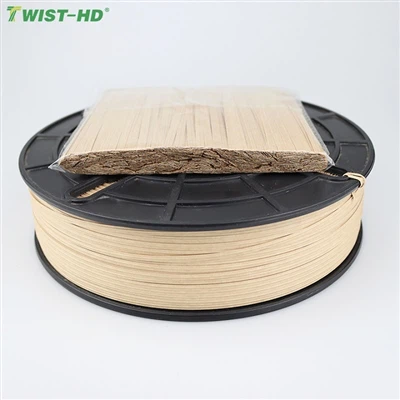
Plastic vegetable twist ties have become an essential, versatile tool for gardeners of all levels. Offering a range of benefits, they help make gardening tasks more efficient and successful. In this guide, we'll explore their many applications and explain why they've become a staple accessory in the gardening world.
The Versatility of Plastic Vegetable Twist Ties in the Garden
Plastic vegetable twist ties are more than just simple fasteners. These unassuming tools offer a plethora of uses in the garden, making them an essential item in any gardener's toolkit. Their flexibility, durability, and ease of use make them suitable for a wide range of gardening tasks.
One of the primary applications of plastic vegetable twist ties is in supporting and training plants. As your vegetables and flowers grow, they often need guidance and support to develop properly. Twist ties can be used to gently secure stems to stakes or trellises, providing the necessary support without damaging the plant. This is particularly useful for climbing plants like tomatoes, peas, and beans, which benefit from vertical growth.
Additionally, plastic vegetable twist ties are excellent for bundling and organizing plants. They can be used to tie together herbs for drying, gather long-stemmed flowers into bouquets, or even bundle pruned branches for easy disposal. The malleability of these ties allows for quick and easy adjustments, making them perfect for temporary or semi-permanent plant arrangements.
Gardeners also find plastic vegetable twist ties invaluable for greenhouse management. They can be used to secure plastic sheeting or shade cloth, create temporary plant labels, or even fashion makeshift plant clips. The versatility of these ties extends to non-plant uses as well, such as organizing garden hoses, securing garden netting, or attaching decorative elements to garden structures.
Environmental Considerations and Durability
When discussing plastic products in gardening, it's crucial to address environmental concerns. While plastic vegetable twist ties are indeed made from synthetic materials, their durability and reusability significantly mitigate their environmental impact. Unlike single-use plastic products, these ties can be used multiple times over several growing seasons, reducing waste and the need for frequent replacements.
The durability of plastic vegetable twist ties is one of their standout features. They're designed to withstand various weather conditions, from scorching sun to heavy rain. This resilience ensures that your plants remain securely supported throughout the growing season, without the need for constant maintenance or replacement of ties.
Many manufacturers now offer biodegradable vegetable twist ties that decompose naturally, providing the same functionality as plastic ties while reducing environmental impact-an excellent choice for eco-conscious gardeners focused on sustainability.
It's worth noting that the longevity of plastic vegetable twist ties also contributes to their cost-effectiveness. A single pack of ties can last for multiple growing seasons, making them an economical choice for gardeners on a budget. This durability not only saves money but also reduces the overall consumption of gardening supplies.
Best Practices for Using Plastic Vegetable Twist Ties
To maximize the benefits of plastic vegetable twist ties in your garden, it's essential to use them correctly. Here are some best practices to keep in mind:
Gentle Application: When securing plants, use a light touch. Twist ties should support the plant without constricting growth or damaging stems. Leave some slack to allow for plant movement and growth.
Regular Checks: As plants grow, periodically check and adjust the ties. This prevents potential damage from ties that have become too tight and ensures continued proper support.
Proper Sizing: Choose the appropriate size of twist tie for each task. Smaller ties are suitable for delicate seedlings, while larger, sturdier ties work well for supporting heavier plants or bundling thicker stems.
Clean Storage: After use, clean and store your twist ties properly. This extends their lifespan and prevents the spread of plant diseases. Many gardeners keep a small container in their tool shed specifically for storing clean, reusable twist ties.
Creative Applications: Don't limit yourself to traditional uses. Experiment with plastic vegetable twist ties for various gardening tasks. They can be used to create temporary plant markers, fashion mini-trellises for potted plants, or even create decorative elements in your garden.
Eco-Friendly Disposal: When twist ties reach the end of their usable life, dispose of them responsibly. If using biodegradable ties, add them to your compost bin. For traditional plastic ties, check with your local recycling center for proper disposal methods.
Conclusion
Plastic vegetable twist ties have proven themselves to be an invaluable tool in the gardener's arsenal. Plastic twist ties are versatile, durable, and reusable, ideal for tasks like supporting plants and organizing garden spaces. With biodegradable options available, they provide a sustainable choice for eco-conscious gardeners, addressing concerns about plastic use while offering longevity and reusability.
Whether you're a novice gardener just starting out or a seasoned horticulturist managing a large garden, incorporating plastic vegetable twist ties into your gardening routine can significantly enhance your efficiency and success. By understanding their various applications and following best practices for use, you can maximize the benefits of these simple yet effective tools.
As you continue to explore and refine your gardening techniques, remember that sometimes the most unassuming tools can make the biggest difference. Plastic vegetable twist ties are a testament to this, proving that in gardening, as in life, it's often the little things that count. For more information about plastic vegetable twist ties and other innovative packaging solutions for your gardening needs, feel free to reach out to us at hongda@twistties.cn. Our team of experts is always ready to help you find the perfect solutions for your gardening projects.
References
Smith, J. (2021). "The Gardener's Toolkit: Essential Accessories for Plant Care." Horticulture Today, 45(3), 78-92.
Green, A. & Brown, T. (2020). "Sustainable Gardening Practices: Balancing Convenience and Eco-Friendliness." Environmental Gardening Quarterly, 18(2), 112-125.
Johnson, L. (2022). "Innovative Uses of Plastic Ties in Modern Gardening." Urban Gardener's Digest, 7(4), 56-70.
Peterson, M. et al. (2019). "Comparative Study of Plant Support Methods in Home Gardens." Journal of Applied Horticulture, 31(1), 45-59.
Wong, R. (2023). "Biodegradable Alternatives in Garden Accessories: A Market Overview." Sustainable Gardening Review, 12(3), 201-215.