Food packaging is about more than just containing a product-it is about preserving freshness, enabling convenience, and supporting product integrity from the moment a package leaves the production line until the last piece is consumed. For flexible packaging formats-poly bags, stand‑up pouches, and gusseted bags-the choice of closure is a critical design decision that affects shelf life, consumer experience, and operational efficiency. Among the various closure options available, plastic twist ties have emerged as one of the most widely adopted solutions for their simplicity, cost‑effectiveness, and versatility. This article explores how plastic twist ties function as a key component in food packaging systems, examines their primary applications across different food categories, and outlines the packaging design factors that influence closure selection.
Why Flexible Food Packaging Needs Reliable Bag Closures
Flexible food packaging must perform multiple functions simultaneously: protect the product from environmental factors, enable easy opening and reclosing, and maintain visual appeal on retail shelves. The closure is often the most interacted‑with part of the package, making its reliability essential to consumer satisfaction.
- Keeping freshness – A proper closure limits exposure to air, moisture, and contaminants, helping to preserve product quality. Twist ties form a tight seal that locks out oxygen and moisture, preventing staleness in baked goods and flavour loss in coffee.
- Resealability – Products consumed over multiple sittings-such as bread, snacks, and coffee-require closures that allow repeated opening and closing without degrading. Twist ties are inherently reusable, maintaining their effectiveness through numerous twists and untwists.
- Consumer convenience – End‑users value closures that are intuitive and easy to operate. Twist ties require no special tools or instructions; consumers simply gather the bag neck and twist.
- Reducing food waste – When packaging can be effectively resealed, food stays fresher for longer, reducing the likelihood of spoilage and waste. This is particularly important for products like baked goods and produce that have short shelf lives once opened.
Plastic twist ties are one of the most common closure options for these reasons, offering a balance of performance, cost, and ease of use that makes them suitable for a wide range of flexible food packaging applications.
Common Closure Options for Flexible Food Packaging

Different packaging formats and product types require different closure methods. Plastic twist ties are one of several commonly used options, each suited to specific bag structures and application needs.
| Closure Type | Typical Applications | Key Characteristics |
|---|---|---|
| Plastic twist ties | Poly bags for bread, produce, and snacks | Wrap‑around design for gathered bag necks; moisture‑resistant coatings available |
| Tin ties (double‑wire closures) | Gusseted paper or foil bags (e.g., coffee, premium bakery) | Adhesive‑backed; create a flat, folded seal that pushes air out |
| Plastic clips | Buns, rolls, bagels, and English muffins | One‑piece application; can be printed with codes |
| Heat sealing | Long‑term storage or modified atmosphere packaging | Provides a hermetic, non‑reusable seal; requires heat‑sealing equipment |
| Tape closures | Certain regional markets (e.g., UK bakery sector) | Adhesive‑based; applied directly to the bag mouth |
The selection ultimately depends on the packaging material, product type, storage requirements, and consumer use patterns. For standard poly bags used in daily retail food packaging, plastic twist ties offer a practical and widely adopted solution.
Fresh Produce Packaging
Vegetables, fruits, and herbs are often packaged in flexible poly bags that require a simple, breathable closure. Twist ties are ideal for this application-they are quick to apply, easy for shoppers to re‑use, and moisture‑resistant, which is essential for produce that may be stored in refrigerated display cases. Common uses include bagged green beans, carrots, apples, citrus, and fresh herbs.
Frozen Food Packaging
Frozen foods impose demanding conditions on closures: extreme cold can make brittle materials crack, while moisture can cause rust on metal components. Plastic‑coated twist ties are well‑suited to frozen applications because their all‑plastic or coated construction resists low‑temperature embrittlement and does not corrode. They are commonly used for frozen vegetable bags, frozen ready meals, and frozen seafood packaging.
Other Dry Food Packaging
Many pantry staples-tea, nuts, dried fruits, grains, and spices-rely on effective closures to keep out moisture, pests, and odours. Twist ties provide a simple, re‑usable seal for these dry goods, helping to maintain quality throughout the product's shelf life. For products stored in ambient conditions, standard plastic twist ties offer adequate performance; for humid environments, moisture‑resistant plastic‑coated ties are recommended.
Factors to Consider in Food Packaging Design

When designing flexible food packaging, the choice of closure should be guided by several packaging‑level considerations rather than being treated as an isolated product selection.
- Package Material – The type of packaging material is a primary determinant of which closure will work effectively. Flexible plastic bags-such as polyethylene (PE) or polypropylene (PP) bags-are well‑suited to twist ties, which wrap around a gathered bag neck. By contrast, gusseted paper or foil bags often require closures that create a flat, folded seal. Understanding the bag's material and structure is the first step in selecting an appropriate closure.
- Product Freshness Requirements – Different products have different sensitivity to air, moisture, and light. Bakery items require closures that prevent staling; coffee needs an oxygen‑barrier seal; produce benefits from closures that allow some airflow while keeping items together. The closure must support the package's overall freshness‑preservation strategy. Twist ties offer relatively effective bag closure by keeping air out, but they do not create a hermetic seal, so they are not suitable for products requiring modified atmosphere packaging.
- Storage Conditions – The environment in which the packaged product will be stored-ambient, refrigerated, or frozen-directly influences closure performance. For refrigerated produce, moisture‑resistant plastic coatings prevent degradation. For frozen goods, the closure must remain flexible at sub‑zero temperatures. For ambient dry goods, a broader range of closure materials may be acceptable.
- Consumer Convenience – How the consumer will interact with the package is a critical design consideration. Products consumed gradually-coffee, nuts, snacks-require closures that can be opened and resealed many times without losing effectiveness. The closure should be easy to grip and operate, even for consumers with limited hand strength. Twist ties are widely regarded as consumer‑friendly because they are intuitive and require no special handling.
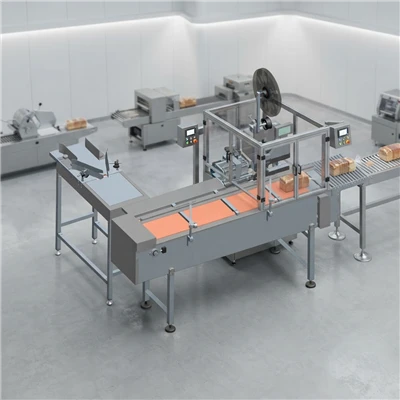
- Packaging Workflow – Production efficiency is another key factor. For high‑volume operations, spool twist ties that feed through automated tying systems offer a fast closure method. For manual or semi‑automated processes, pre‑cut twist ties are simpler to handle. The closure choice must align with the available packaging equipment and production speed requirements, whether the operation is manual or automated.
These factors-package material, freshness needs, storage conditions, consumer convenience, and workflow-collectively influence the type of closure selected, including whether plastic twist ties are the optimal choice.
Integrating Twist Ties into Packaging Design
Beyond basic functionality, integrating twist ties into packaging design involves several practical considerations. The packaging material must be compatible with the closure-thin poly bags bunch easily, while thicker multi‑layer laminates may require wider or stronger ties for a secure hold. Package size also plays a role; smaller bags need shorter ties, whereas larger formats benefit from extended length to ensure the gathered neck stays tightly closed. Consumer convenience remains paramount-the tie should be easy to grip, twist, and reposition without tearing the bag material. Additionally, sustainability considerations are increasingly relevant, with recyclable plastic ties and paper‑based alternatives emerging as viable options that align with broader environmental goals in food packaging.
Common Closure Options for Flexible Food Packaging
Different packaging formats and product types require different closure methods. Plastic twist ties are one of several commonly used options, each suited to specific bag structures and application needs.
| Closure Type | Typical Applications | Key Characteristics |
|---|---|---|
| Plastic twist ties | Poly bags for bread, produce, and snacks | Wrap‑around design for gathered bag necks; moisture‑resistant coatings available |
| Tin ties (double‑wire closures) | Gusseted paper or foil bags (e.g., coffee, premium bakery) | Adhesive‑backed; create a flat, folded seal that pushes air out |
| Plastic clips | Buns, rolls, bagels, and English muffins | One‑piece application; can be printed with codes |
| Heat sealing | Long‑term storage or modified atmosphere packaging | Provides a hermetic, non‑reusable seal; requires heat‑sealing equipment |
| Tape closures | Certain regional markets (e.g., UK bakery sector) | Adhesive‑based; applied directly to the bag mouth |
The selection ultimately depends on the packaging material, product type, storage requirements, and consumer use patterns. For standard poly bags used in daily retail food packaging, plastic twist ties offer a practical and widely adopted solution.
Conclusion
Plastic twist ties are a versatile, cost‑effective closure solution for a wide range of flexible food packaging applications-from daily retail bread and produce to frozen vegetables and pantry staples. Their re‑usability, moisture resistance, and compatibility with both manual and automated packaging processes make them a practical choice for many packaging lines. However, no single closure fits every application. The optimal choice depends on the packaging material, product freshness requirements, storage conditions, consumer convenience expectations, and production workflow. By evaluating these packaging design factors holistically, manufacturers and packagers can select closures that enhance product protection, improve the consumer experience, and support operational efficiency-creating more practical and effective food packaging overall.If you're selecting a closure for a specific package, understanding the packaging application is only the first step.