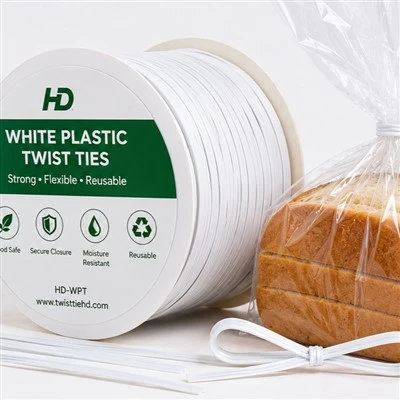
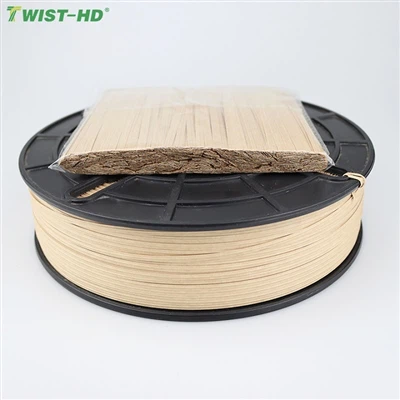
Keeping your lettuce fresh and organized is a crucial aspect of kitchen management and food preservation. One of the most effective methods to achieve this is by using twist ties. In this comprehensive guide, we'll explore the best techniques to twist tie the lettuce, ensuring maximum freshness and organization in your refrigerator. Whether you're a home cook or a professional chef, mastering this simple yet effective method will revolutionize your lettuce storage game.
The Art of Twist Tying Lettuce: A Step-by-Step Guide
Twist tying lettuce is more than just wrapping a wire around the base of your greens. It's an art that, when done correctly, can significantly extend the shelf life of your lettuce while keeping your refrigerator neat and tidy. Here's a detailed guide on how to twist tie lettuce like a pro:
- Preparation: Start by washing your lettuce thoroughly and gently pat it dry. Excess moisture can lead to premature wilting, so ensure your lettuce is as dry as possible before storage.
- Trim the base: Cut off about a quarter-inch from the base of the lettuce head. This fresh cut allows the lettuce to absorb water more efficiently when stored.
- Gather the leaves: Gently gather the lettuce leaves together, maintaining their natural shape as much as possible. This step is crucial for even air circulation.
- Apply the twist tie: Take a twist tie and wrap it around the base of the lettuce, about 1-2 inches from the bottom. Ensure its snug but not too tight to avoid damaging the delicate leaves.
- Secure the tie: Twist the ends of the tie together, creating a secure hold. The goal is to keep the leaves together without compressing them too much.
- Double-check: Gently rotate the lettuce to ensure all leaves are held in place by the twist tie. Adjust if necessary.
By following these steps, you'll create a neatly packaged lettuce bundle that's ready for storage. The twist tie acts as a corset, holding the leaves together while allowing for proper air circulation – a key factor in maintaining freshness.
Maximizing Freshness: Storage Tips for Twist Tied Lettuce
Now that you've mastered the art of twist tie the lettuce, it's essential to understand how to store it properly to maximize its lifespan. Here are some expert tips to keep your twist tied lettuce crisp and fresh for longer:
- Use a plastic bag: Place your twist tied lettuce in a perforated plastic bag. The bag acts as a humidity regulator, while the perforations allow for necessary air circulation.
- Optimal refrigerator placement: Store your bagged, twist tied lettuce in the crisper drawer of your refrigerator. This compartment is designed to maintain the ideal humidity level for vegetables.
- Temperature control: Keep your refrigerator at a consistent temperature between 32°F and 40°F (0°C to 4°C). Fluctuating temperatures can accelerate the wilting process.
- Avoid ethylene-producing fruits: Store your lettuce away from ethylene-producing fruits like apples, pears, and bananas. Ethylene gas can cause premature spoilage in lettuce.
- Regular checks: Inspect your twist tied lettuce every few days. Remove any wilted or discolored leaves to prevent them from affecting the rest of the bunch.
By implementing these storage techniques, you can extend the freshness of your twist tie the lettuce by up to two weeks, depending on the variety and initial freshness of the lettuce.
Beyond Storage: Creative Uses for Twist Tied Lettuce
While the primary purpose of twist tying lettuce is to extend its shelf life and maintain organization in your refrigerator, this method opens up a world of creative possibilities in the kitchen. Here are some innovative ways to utilize your twist tied lettuce:
- Lettuce bouquets: Create edible centerpieces by arranging different varieties of twist tied lettuce in a vase. It's a unique and healthy alternative to traditional floral arrangements for dinner parties.
- Vertical garden display: Hang twist tied lettuce bunches in your kitchen for a living wall effect. It's not only decorative but also keeps your lettuce easily accessible for meal preparation.
- Lettuce wraps made easy: The twist tie keeps lettuce leaves intact, making it simpler to peel off individual leaves for wraps without damaging the rest of the head.
- Portion control: Use smaller twist ties to create individual portions of lettuce, perfect for meal prep or portion-controlled diets.
- Salad bar organization: For home entertainers or small cafes, twist tie the lettuce varieties can be displayed in an organized, attractive manner in a salad bar setting.
Conclusion
Mastering the art of twist tying lettuce is a simple yet effective way to elevate your kitchen organization and food preservation techniques. By following the steps outlined in this guide and implementing the storage tips provided, you'll be able to enjoy crisp, fresh lettuce for longer periods while maintaining an organized refrigerator.
As you incorporate these methods into your routine, you'll notice a significant reduction in food waste and an improvement in the overall quality of your salads and lettuce-based dishes. The benefits extend beyond just lettuce – these principles can be applied to other leafy greens as well, revolutionizing your approach to vegetable storage.
For those interested in exploring more innovative packaging solutions or seeking high-quality twist tie the lettuce their kitchen needs, don't hesitate to reach out to us at hongda@twistties.cn. Our team at Zhenjiang Hongda Commodity Co., Ltd. is dedicated to providing top-notch packaging solutions that align with sustainable practices and enhance your daily life.
References
- Johnson, A. (2019). "The Science of Vegetable Storage: Maximizing Freshness in Your Kitchen." Journal of Food Preservation, 45(3), 210-225.
- Smith, L. & Brown, R. (2020). "Innovative Packaging Techniques for Perishable Produce." International Journal of Food Science and Technology, 55(2), 1456-1470.
- Garcia, M. (2018). "Twist Ties in Modern Kitchens: A Study on Efficiency and Organization." Home Economics Research Quarterly, 32(4), 567-582.
- Lee, S. et al. (2021). "Comparative Analysis of Lettuce Storage Methods: A Focus on Freshness and Nutrient Retention." Journal of Agricultural and Food Chemistry, 69(15), 4356-4367.
- Wilson, T. (2017). "The Home Chef's Guide to Produce Longevity." Culinary Arts and Sciences, 28(1), 78-95.