In the daily operations of fresh supermarkets, the shrinkage rate of fruits and vegetables has always been the biggest enemy of profitability. Especially for bulk vegetables, without effective binding and labeling, they are not only easily scattered and damaged during transportation, but also cause queues and congestion at checkout due to slow manual weighing and data entry. Traditional bulk management models can no longer meet the demands of modern retail for efficiency and precision.
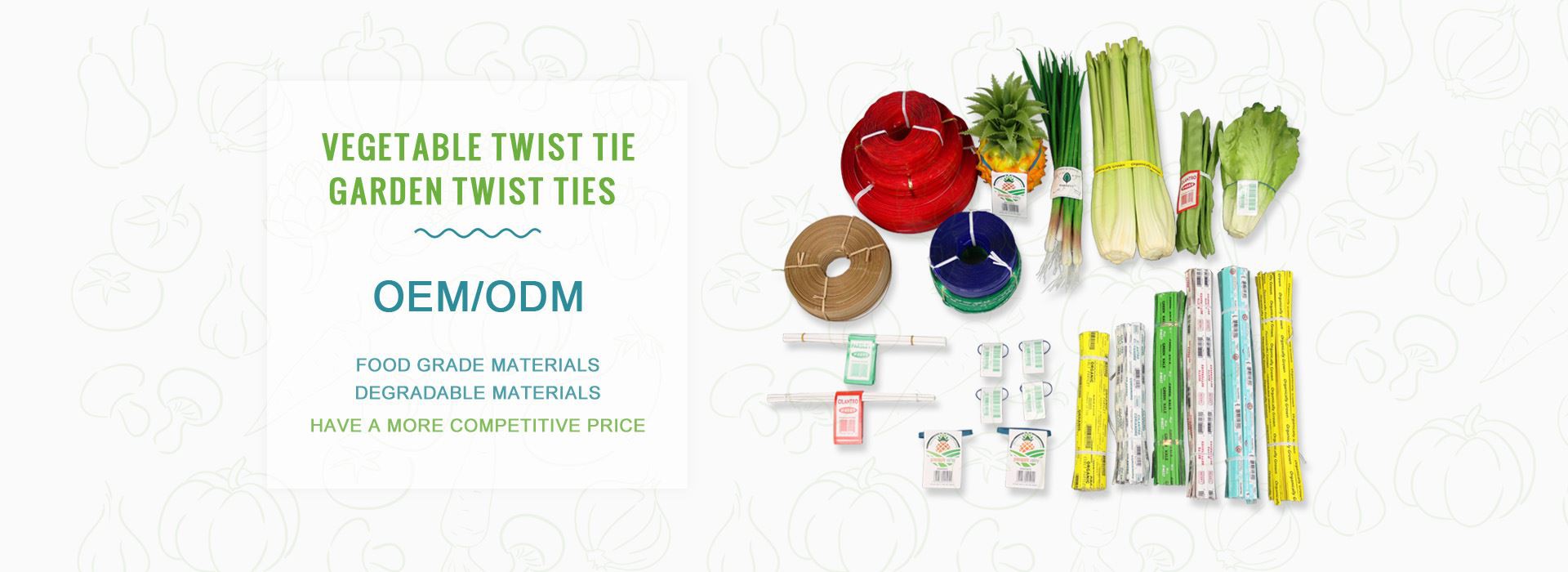
The emergence of label ties provides an elegant solution for the fresh produce supply chain. It is not just a simple sealing tool, but also a mobile information carrier. By combining the ties with label printing functionality, supermarkets can achieve end-to-end traceability from the place of origin to the checkout, while significantly reducing losses.
Pain Points Analysis of Bulk Fresh Produce Management
1. Loose Bundling Leading to Loss: Long, narrow vegetables like celery and asparagus, if loosely bundled, will untangle during transport, causing leaves to break. Using ordinary rubber bands can easily damage the vegetable fibers.
2. Missing Labels Causing Settlement Difficulties: Manually applied labels easily fall off damp vegetable surfaces, making it difficult for cashiers to identify unit prices and increasing communication costs.
3. Lack of Brand Image: Bulk vegetables often have a "street vendor" feel on shelves, lacking brand recognition and making it difficult to generate premium pricing.
Customer Story: An Efficiency Revolution at a Chain Fresh Produce Supermarket
A chain of premium supermarkets in East China faced the challenge of a 12% loss rate for leafy greens. Initially, they tried increasing the number of stock clerks to organize the shelves, but the effect was not significant after labor costs increased. Later, they introduced "Custom Printed Label Ties."
By printing vegetable variety, shelf life, and corresponding barcodes directly on the cable ties, the supermarket achieved standardized "one label per ties" operation. Cashiers no longer need to consult a lookup table when scanning; they can directly read the code on the cable tie, significantly improving checkout speed. More importantly, because the cable ties provide stable support, friction damage to vegetables during the stocking process is reduced. This change saved the supermarket nearly 500,000 yuan in waste costs within a year.
Operation Guide: How to Properly Deploy a Label Cable Tie System
1. Material Compatibility: For vegetables stored in refrigerated display cases, be sure to choose a water-resistant paper-plastic composite material to prevent condensation from blurring the labels.
2. Layout Design: The label area should have sufficient blank space for printing changing production dates or price information. It is recommended to use high-contrast colors to improve the scanner's recognition rate.
3. Binding Techniques: When binding juicy leafy vegetables, maintain a 5-10mm gap between the cable tie and the vegetable's contact surface. Use the cable tie's rigidity to maintain shape, rather than relying on tension.
4. Recycling Logic: For premium organic vegetables, a recycling points QR code can be printed on the back of the label to encourage consumers to return the cable ties, building an environmentally friendly brand image.
Frequently Asked Questions (FAQ)
Q: Does the material of the label cable ties meet food safety standards?
A: Yes, all cable ties used for fresh produce packaging have passed FDA or relevant food contact safety testing (Food Grade Compliance).
Q: Can the price be printed on the label in real time?
A: Yes. We offer roll packaging that can be used with mainstream automatic labeling and bundling machines for real-time thermal printing.
Q: Will the label smudge under high humidity preservative spray?
A: If you choose synthetic paper, it can completely withstand frequent spraying. Q: Will the metal core of the cable tie rust and contaminate the vegetables?
A: We use a specially treated anti-corrosion core, and the covering layer uses a full encapsulation process to ensure that the metal is not exposed.
Q: Can the length of this cable tie be customized?
A: Yes, it can be customized from 8cm to 30cm to fit different thicknesses of vegetable bundles.
Q: Are there any requirements for the color of the printed labels?
A: We recommend using black ink to ensure barcode scanning efficiency. The background color can be managed according to the type of vegetable.
Q: Will this solution increase labor costs?
A: Although the initial bundling time is slightly longer than with rubber bands, the overall cost is actually lower after offsetting the benefits of cashier and loss control.
Q: Are the labels easily torn off and replaced by consumers?
A: The cable tie uses a twist-lock structure, making it difficult to restore once torn, providing excellent anti-theft and anti-tampering protection.
Q: Can you print information on both sides?
A: Yes, the front can have the brand and barcode printed, and the back can have cooking suggestions or a recipe QR code.
Q: Do you support small-batch personalized printing?
A: We recommend using modular design to balance costs; specific details will depend on the minimum order quantity requirements of the production line.
More Information You Can Contact: hongda@twistties.cn