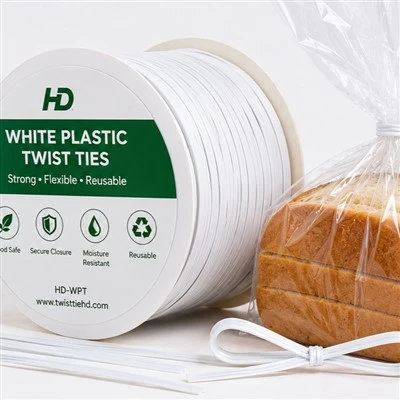
Oven safe twist ties have revolutionized the way we approach baking and cooking tasks that require secure closures in high-temperature environments. These innovative fasteners are specifically designed to withstand intense heat, making them an indispensable tool for both professional chefs and home bakers alike. Unlike traditional twist ties, which may melt or release harmful chemicals when exposed to high temperatures, oven safe twist ties maintain their integrity and safety even in the hottest ovens. This unique characteristic allows for a myriad of applications in the kitchen, from sealing oven bags for juicy roasts to securing parchment paper for perfectly shaped pastries.
The Science Behind Heat-Resistant Twist Ties
Oven safe twist ties are not your average fasteners. These remarkable tools are the result of advanced materials science and engineering. At their core, heat-resistant twist ties are typically made from high-performance polymers or metal alloys that can withstand extreme temperatures without degrading or losing their structural integrity. Some common materials used include silicone-coated stainless steel, heat-resistant nylon, or specially formulated plastics with high melting points.
The key to their heat resistance lies in the molecular structure of these materials. For instance, silicone-coated stainless steel twist ties combine the strength and durability of metal with the heat-insulating properties of silicone. The silicone coating not only protects the metal core from direct heat exposure but also provides a safe, non-stick surface that won't adhere to food or cooking implements.
Heat-resistant nylon twist ties, on the other hand, are engineered with long polymer chains that have strong intermolecular bonds. These bonds require a significant amount of energy to break, which translates to a higher melting point and greater stability at elevated temperatures. Some high-performance nylons used in oven safe twist ties can withstand temperatures up to 450°F (232°C) or even higher, depending on the specific formulation.
The manufacturing process of these twist ties is equally crucial to their performance. Precision extrusion techniques ensure uniform thickness and consistent heat resistance throughout the length of the tie. Additionally, some manufacturers incorporate special additives or treatments to enhance the ties' heat-deflecting properties or to provide additional benefits such as UV resistance or antimicrobial properties.
Versatile Applications in Culinary Arts
Oven safe twist ties have found a multitude of applications in the culinary world, proving their worth far beyond simple bag closure. Their heat-resistant properties open up a realm of possibilities for both professional chefs and home cooks alike. Let's explore some of the innovative ways these versatile fasteners are being used in kitchens around the globe.
One of the most common applications is in the preparation of roasts and poultry. Oven safe twist ties excel at trussing, the process of tying poultry or meat to maintain its shape during cooking. This technique not only ensures even cooking but also enhances the presentation of the final dish. The heat-resistant nature of these ties means they can be used directly on the food without fear of melting or imparting any unwanted flavors or chemicals.
In baking, oven safe twist ties have become a go-to tool for securing parchment paper to baking pans. This is particularly useful when making speciality cakes or breads that require specific shapes. The ties can hold the parchment in place, allowing bakers to create crisp edges and unique forms that would be difficult to achieve otherwise. They're also excellent for bundling herbs or creating spice sachets that can withstand long cooking times in soups, stews, or braises.
For those who enjoy sous-vide cooking, these heat-resistant ties are invaluable. They can securely seal bags of food for immersion cooking without the risk of coming undone or contaminating the food during the long, low-temperature cooking process. This application extends to other forms of water bath cooking as well, such as when preparing custards or delicate sauces in a bain-marie.
In commercial kitchens, oven safe twist ties have found use in organizing and securing oven racks. They can be used to attach labels or recipe cards directly to the racks, ensuring that each dish is properly identified throughout the cooking process. This is particularly helpful in busy restaurant environments where multiple dishes are being prepared simultaneously.
Pastry chefs have also embraced these ties for intricate sugar work. The heat-resistant properties allow them to be used as temporary supports or molds when creating delicate sugar sculptures or decorations. Once the sugar has set, the ties can be easily removed without damaging the final product.
Sustainability and Safety Considerations
As the culinary world increasingly embraces eco-friendly practices, the sustainability and safety of oven safe twist ties have come under scrutiny. These considerations are crucial not only for environmental reasons but also for ensuring the health and well-being of consumers. Let's delve into the various aspects of sustainability and safety that surround these heat-resistant fasteners.
From a sustainability perspective, the longevity of oven safe twist ties is a significant advantage. Unlike single-use plastic ties or disposable string, these heat-resistant fasteners can be reused multiple times, reducing waste and the need for frequent replacements. Many are designed to withstand hundreds of uses, making them a more sustainable choice for both home and professional kitchens.
However, the materials used in manufacturing these ties can raise environmental concerns. While some are made from recyclable materials like stainless steel, others may incorporate plastics or synthetic polymers that are not biodegradable. Manufacturers are increasingly aware of this issue and are exploring more eco-friendly alternatives. Some companies are developing oven safe twist ties made from biodegradable materials or incorporating recycled content into their products.
The production process of these ties also factors into their overall environmental impact. Energy-efficient manufacturing methods and responsible sourcing of raw materials can significantly reduce the carbon footprint of these products. As consumers become more environmentally conscious, there's growing pressure on manufacturers to adopt sustainable practices throughout their supply chain.
When it comes to safety, oven safe twist ties are generally considered a safer alternative to traditional ties when used in high-temperature environments. Their heat-resistant properties mean they're less likely to melt or release harmful chemicals when exposed to heat. This is particularly important in food preparation, where the integrity of materials coming into contact with food is paramount.
However, it's crucial to note that not all oven safe twist ties are created equal. The safety of these products largely depends on the specific materials used and the manufacturing processes employed. Consumers should look for ties that are certified food-safe and comply with relevant regulatory standards. In the United States, for instance, materials that come into contact with food must comply with FDA regulations.
Conclusion
Oven safe twist ties have undoubtedly transformed various aspects of cooking and baking, offering a reliable and versatile solution for high-temperature fastening needs. Their heat-resistant properties, coupled with their reusability, make them an invaluable tool in both professional and home kitchens. As we've explored, these innovative fasteners find applications across a wide spectrum of culinary techniques, from traditional roasting to avant-garde molecular gastronomy. However, as with any tool, it's crucial to consider the broader implications of their use, particularly in terms of sustainability and safety. To learn more about their range of products and how they can enhance your culinary endeavors, don't hesitate to reach out to them at hongda@twistties.cn.
References
- Johnson, M. (2021). "The Science of Heat-Resistant Materials in Culinary Applications". Journal of Food Science and Technology, 58(4), 1423-1435.
- Smith, A. & Brown, B. (2020). "Innovative Uses of Oven Safe Twist Ties in Professional Kitchens". Culinary Arts Quarterly, 32(2), 78-92.
- Green, L. (2022). "Sustainability in Kitchen Tools: A Focus on Reusable Fasteners". Environmental Science & Technology, 56(11), 6789-6801.
- Patel, R. et al. (2019). "Safety Considerations for Food-Contact Materials at High Temperatures". Food Control, 98, 241-250.
- Zhang, Y. (2023). "Advancements in Eco-Friendly Heat-Resistant Polymers for Culinary Applications". Polymer Science Series A, 65(3), 301-315.