

In the busy kitchen, we often struggle with the tedious preparation and messy styling of ingredients. Roasting a chicken until the skin peels, stewing meat with spices spilling into the soup, wrapped rice dumplings becoming loose and deformed, and vegetables slipping when grilling... These problems can be solved with a simple yet powerful little helper: kitchen tie wire. Its flexibility, durability, and safety have made it a go-to kitchen tool for more and more homemakers, cooking enthusiasts, and professional chefs, making complex cooking steps simple and efficient.
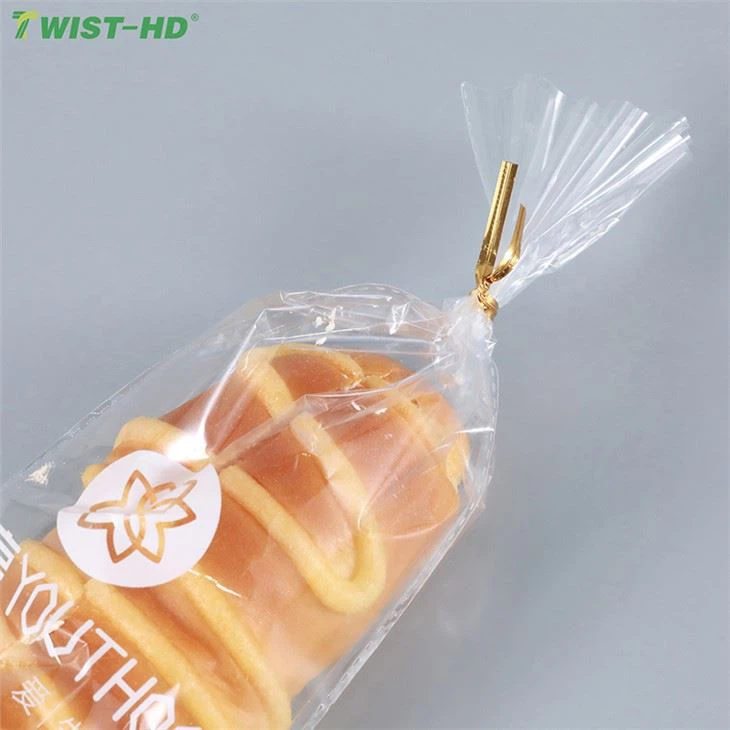

1. Kitchen Ties: More than Just a Tie, It's a Perfect Cooking Partner
Kitchen tie wire (also known as kitchen tying wire or food-grade tie wire) differs from industrial tie wire in that it's made from safe materials such as food-grade PP, PE, or lead-free galvanized steel. It's temperature-resistant (-20°C to 220°C), suitable for direct contact with food, and can withstand high temperatures in ovens, steamers, and microwaves. It also won't release harmful substances when refrigerated. Its core value lies in providing a "precision fixing" solution for various cooking scenarios, covering the entire process from preparation to finished product:
a. Meat Cooking: Fixing the Shape and Locking in Juiciness for a Fresher and More Tender Taste
When roasting a whole chicken or duck, use wire tie to secure the wings and drumsticks to the sides of the bird. This prevents them from expanding during roasting and trapping the juices, resulting in a golden, crispy exterior and a tender, juicy interior. When making meat rolls (such as bacon or beef rolls), use wire tie to secure the meat in sections to prevent them from loosening and falling apart during cooking. When stewing spare ribs or braised beef, use wire tie to secure the meat with spice packets (such as star anise, cinnamon, and bay leaves). This allows the flavor to penetrate fully while preventing any spice residue from entering the broth. Simply cut and remove after removing from the pot, making it hassle-free and convenient.
b. Pastry Baking: Beautiful Shapes, Easier Operation
When wrapping zongzi (zongzi), use tying wire instead of traditional cotton string. This provides a more even binding force, prevents loosening, and prevents the zongzi from swelling during cooking due to water absorption. When making bread, Danish pastries, and other baked goods, use tying wire to secure the dough (such as bow-tie bread and crepe rolls) to prevent collapse during baking. When making baozi (steamed buns) and steamed buns, if the filling is too much and easily leaks, use fine tying wire to gently tie the edges of the buns. This locks the filling in and creates a unique pattern, ensuring both aesthetics and taste.
c. Fruit and Vegetable Handling: Convenient Storage, Longer-Lasting Freshness
Bundling fresh onions, ginger, garlic, and cilantro with ties not only organizes them neatly and saves refrigerator space, but also reduces their exposure to air, slowing moisture loss and extending their shelf life. When making fruit and vegetable skewers or grilled skewers, use ties to secure diced apples, pineapples, bell peppers, mushrooms, and other items to bamboo skewers to prevent them from slipping during grilling. This also makes the skewers more stable and easier to flip. You can even use colored ties to mark different types of ingredients, such as "spicy" and "non-spicy" fillings, or "same-day" and "leftover" ingredients, for more organized kitchen storage.
d. Creative Dishes: Play with Styling and Upgrade Your Appearance
Whether it's a family gathering or a holiday banquet, kitchen ties make it easy to create visually appealing dishes. Bundle asparagus, carrot sticks, and shrimp into small bundles and pan-fry for a sophisticated "Vegetable and Seafood Bundle." Slice chicken breast, wrap it with vegetables, and roll it into a "Chicken Roll." Pan-fry, slice, and plate for an instant upgrade. You can even use ties to create simple "ingredient racks," such as scallion and ginger slices, in a soup pot to prevent them from sinking to the bottom and sticking to the pan, making your dish both delicious and visually appealing.
2. Why Choose Kitchen Ties? Three Core Advantages: Irreplaceable
Some may ask, "Can't I just use cotton or hemp string?" In reality, kitchen tie wire offers far greater advantages than ordinary wire, especially in terms of safety and practicality:
a. Food-grade safety, ensuring peace of mind
Regular kitchen tie wire has passed food contact testing and is free of harmful substances like lead and mercury. It withstands high and low temperatures with stability-whether baked at 200°C for one hour or boiled in boiling water for 30 minutes, it won't melt, deform, or release odors. It's safe for direct contact with food, making it safe for the elderly and children.
b. Easy to cut and tie, no need for complex tools
Kitchen tie wire is soft and flexible. It can be easily cut with scissors and quickly tied by hand. The binding force can be adjusted to prevent ingredients from being crushed by over-tightening or losing its hold by being too loose. Even novice cooks can easily master it. 3. Cost-Effective, Durable, and Waste-Free
A roll of kitchen tie wire is inexpensive yet provides months of kitchen use. It resists moisture and aging and can be stored for long periods at room temperature. Compared to perishable cotton string or easily broken hemp rope, it's more durable and economical, truly achieving "low cost, high performance."
3. Usage Tips: Tips for Making Kitchen Tie Wire Work Better
Choose the material based on your needs: For high-temperature baking (such as in ovens and broilers), steel-core tie wire is preferred for its greater heat resistance. For refrigeration and room-temperature storage, pure plastic tie wire is lightweight and environmentally friendly.
Control the binding force: When tying meat or pastries, avoid over-tightening. Allow a slight amount of "expansion space" to prevent the food from shrinking and being ruptured by heat. When tying fruits and vegetables, use moderate force to avoid damaging the skin.
Remove the ties promptly: After cooking, cut the ties before eating to prevent accidental ingestion. If the ties are tightly attached to the ingredients, gently pry them apart with a knife before cutting to prevent damaging the shape.
Categorize and store: It's recommended to store ties of different materials and colors separately. Hang them on a kitchen hook with a pair of small scissors for easy access and avoid loss.
Conclusion: Small tools, big changes, UP your kitchen efficiency!
Deceptively insignificant kitchen ties can solve many of the "little problems" of cooking. From shaping ingredients to storing and preserving them, from everyday dishes to creative plating, they prove that "good kitchen tools make cooking easier and more enjoyable." If you're still struggling with loose and messy ingredients, try kitchen ties-a roll of them will unlock new cooking conveniences, making your kitchen life more efficient and enjoyable!


