Introduction
In bakery packaging, bread bags are often closed by gathering the bag neck and applying a bread clip. This method can work well for some bag types and packaging conditions, but it is not suitable for every bread bag. The bag material, opening structure, gathered neck shape, and clip size all affect whether a bread clip closure will hold consistently.
This article explains how bread clips are used in bakery packaging and how to match them with different bread bag types. Machine-assisted closing is discussed as one application method, not as the central subject. The goal is to help readers decide whether a bread bag is suitable for bread clip closing and what to check before using this closure method.
How Bread Clips Are Used in Bakery Packaging
A bread clip is normally applied to a gathered section of the bag neck. In a typical bakery packaging operation, the bag is filled with bread, the opening is gathered or folded, and the clip is placed across the gathered material to hold it closed.
Bread clip closing can be done manually or with machine assistance. In manual closing, the operator gathers the bag and applies the clip. In machine-assisted closing, equipment helps position the bag and apply the clip. In both cases, the closure depends on the bag being able to form a gathered neck that the clip can hold.
Bread clips are one closure option among others used in bakery packaging. Twist ties, tape, and heat sealing may also be used depending on the bag type, product handling, and presentation requirements. The closure method should be selected according to the bag and the packaging process, not by assuming that one method fits all bread bags.
Which Bread Bag Types Can Use Bread Clips?
Bread bags that can be gathered into a stable neck and matched with an appropriate clip may be suitable for bread clip closing. However, bag material and opening structure can affect how the bag behaves during gathering and clip placement.
PE Bread Bags
PE bread bags are common in bakery packaging and may be suitable for bread clip closing when the bag can be gathered and held together. PE film is generally soft and flexible, and this flexibility can affect how the bag neck behaves during gathering. A softer PE bag may gather easily and conform to the clip, but it may also shift or sag after closing if the gathered neck is not compact. A PE bag with more stretch may elongate when pulled, which can change the size and shape of the gathered neck.
The stability of the gathered neck is an important point with PE bags. Because PE film can be pliable, the gathered material may relax slightly after the clip is applied. This does not mean PE bags are unsuitable, but the bag should be tested to see whether the clip holds the neck firmly once the bread is inside and the bag is handled.
PP Bread Bags
PP bread bags may also be used with bread clips, but their behavior can differ from PE bags. PP film often has more stiffness than PE film, which can affect how the bag folds and how the gathered neck holds its shape. A stiffer PP bag may fold cleanly and stay in a gathered form, but it may also spring back or unfold partially if the clip does not hold the folded layers together.
When a PP bag has multiple layers at the opening, such as a gusseted or folded structure, the gathered neck may be thicker or more resistant to compression. This can affect how the clip sits and whether the bag neck stays compact. PP bags should be checked for fold memory and spring-back after gathering, since these characteristics can influence clip placement and hold.
As with PE bags, the material name alone does not confirm suitability. The bag opening, film thickness, and gathered neck behavior should be checked with the actual clip.
Different Bag Opening Structures
Bag opening structures can affect how the bag is gathered and how the clip sits. Flat openings, gusseted openings, and side-gusseted bags can create different layers of film at the neck. More layers may change the gathered neck size and may require a different clip size or closing method.
Bags with handles, unusual folds, or openings that do not form a stable neck may be less suitable for bread clip closing. A bag that opens widely may also be harder to gather consistently after filling. These points should be checked with the filled bag rather than with an empty sample alone.
How Bag Opening Size Affects Bread Clip Selection
Bag opening size affects the amount of material that must be gathered before a clip can be applied. A wider opening generally means more film must be collected into the gathered neck, which can produce a larger or bulkier neck. A narrower opening collects less material, which may produce a smaller gathered neck. The amount of gathered material influences how the bag neck sits in the clip and how much of the clip is occupied by film.
The relevant size is not only the flat bag width. The gathered neck size after the bag is filled is more important. If the bag opening varies from bag to bag, the amount of gathered material may also vary, and the bag neck may not sit consistently in the clip.
Bag opening size should be assessed together with the bag structure. A gusseted opening may collect more layers than a flat opening of the same width, changing the effective amount of gathered material. The flat bag dimensions alone do not show how much film will be gathered in practice.
How to Match Bread Clip Size with a Gathered Bag Neck
Bread clip size should match the gathered bag neck that results from the bag opening and gathering method. The clip length and width need to be sufficient to span the gathered material without being excessive. A clip that is too short may not cover the gathered neck fully, leaving material that can slip out. A clip that is too long or too wide may extend beyond the gathered neck and may not sit correctly.
The match between clip and gathered neck should be checked with the filled bag. The same bag may produce a different gathered neck depending on how much material is collected and how the neck is folded. If the gathered neck is compact, a smaller clip may be appropriate. If the neck is bulkier because of multiple layers or a wider opening, a larger clip may be needed.
If machine-assisted closing is used, the clip also needs to be compatible with the equipment. A clip that works by hand may not feed or position correctly in a machine-assisted process without testing.
Manual Bread Clip Closing and Machine-Assisted Closing
Manual bread clip closing gives the operator direct control over gathering the bag and placing the clip. It can be used for different bag types and packaging quantities, but the result depends on operator consistency and the bag's ability to form a stable gathered neck.
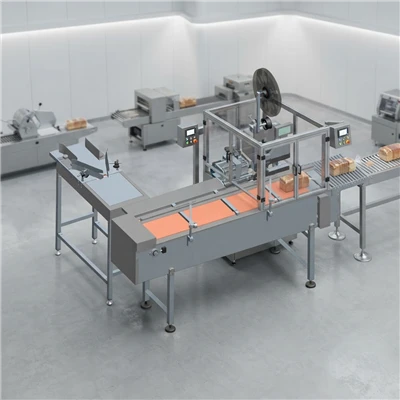
Machine-assisted closing uses equipment to help position the bag and apply the clip. It generally requires more consistency in bag presentation, gathered neck size, and clip compatibility. It may be considered when the bag type and packaging process are stable enough for equipment-assisted closing.
For operations considering machine-assisted closing, an Automatic Bread Clip Machine With Inkjet Printing may be one option to review. However, the bag, gathered neck, and clip should still be tested together before deciding whether machine-assisted closing is suitable.
What to Check Before Using Bread Clips in Bakery Packaging
Before using bread clips in bakery packaging, a practical sample test can show whether the bag, clip, and closing method work together. The following test process uses actual production materials:
- Use the bread bag from actual production, not a flat sample or a different bag of similar appearance.
- Place the actual packaged bread product into the bag, since the filled weight and shape affect how the bag hangs and gathers.
- Gather the bag opening using the same method planned for production, whether by hand or with equipment assistance.
- Apply the bread clip that is intended for purchase or current use.
- Check whether the clip covers the gathered area and whether the gathered material sits fully within the clip.
- Check whether the bag neck loosens, slips, or shifts after the clip is applied, and whether the clip moves when the bag is gently handled.
- Repeat the test with multiple samples to see whether the result is consistent across bags.
In addition to the sample test, confirm the following:
- Can the filled bag be gathered into a stable neck?
- Does the bag opening size and neck length suit the intended clip?
- Does the bag material, such as PE or PP, gather without slipping or springing back excessively?
- Does the clip length and width match the gathered bag neck?
- Is the bag type consistent enough for the chosen closing method?
- If machine-assisted closing is considered, is the clip compatible with the equipment, and can the supplier test with the actual bag and clip?
- Is bread clip closing appropriate for the handling and presentation needs of the packaged bread?
Conclusion
Bread bags should be closed with a method that matches the bag structure, material, and packaging process. Bread clips can be suitable when the bag forms a stable gathered neck and the clip size matches that neck. PE bags, PP bags, and different opening structures may all be used with bread clips, but suitability depends on the actual bag behavior rather than the material name alone.
Before adopting bread clip closing, test the filled bag with the intended clip and closing method. For machine-assisted closing, confirm that the bag, clip, and equipment work together in a trial. This practical check is more reliable than judging from bag appearance or general product descriptions.
If you wish to purchase relevant products, please contact us.