

Introduction
Packaging efficiency depends not only on line speed but also on operating steps, closing methods, and workflow design. In tasks that require repeated bag closing, the closure method can directly affect how straightforward each operation becomes. Plastic twist ties are one option for certain manual packaging processes; their effectiveness depends on packaging volume, bag type, operating method, and closing requirements. This article examines their role in packaging operations and the factors to consider when selecting them.
1. Simplifying Manual Bag-Closing Operations
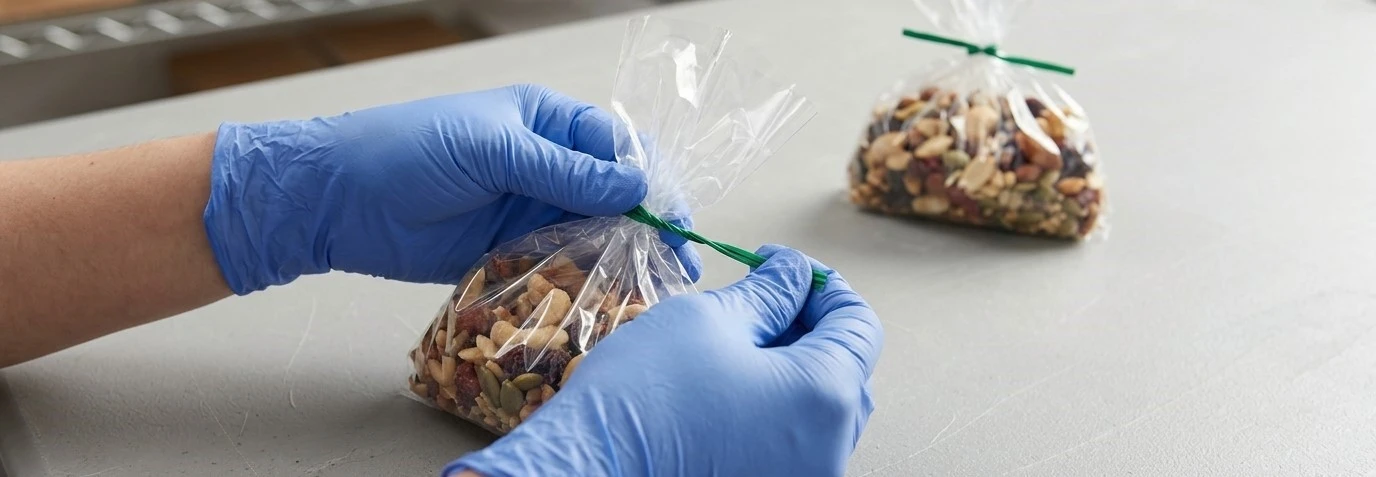
In manual packaging, gathering the bag opening and securing it are two basic steps. For bag types suitable for twist-tie closure, an operator can gather the opening and secure it by bending and twisting the tie. The convenience of this operation depends on the packaging material, bag-opening structure, and twist-tie specifications. A suitably sized tie can make the closing step more direct, but this does not mean other closure methods are complex or that twist ties are always faster.
2. Supporting Repeated Opening and Reclosing Tasks
Some packages must be opened and reclosed during use after the initial seal. For bag openings suitable for twist-tie closure, users can untwist and retwist the tie to open and close the bag. Practical convenience depends on bag-opening design, tie length, and use requirements. The relevant workflow effect is fewer interruptions when a package must be reopened and closed again.
3. Making Packaging Steps More Consistent
In repetitive packaging tasks, relatively consistent steps can be established based on bag-opening structure and closing requirements. For packaging suitable for plastic twist ties, basic steps such as gathering the opening, positioning the tie, and checking the closure can be clearly defined. A unified method can reduce unnecessary variation between operators, although consistency also depends on training, work instructions, materials, and quality checks. Using twist ties does not by itself guarantee quality standardization or fewer packaging errors.
4. Adapting to Different Packaging Workflows
Small-Batch and Hand-Packing Operations
In small-batch, manual bagging, and retail packaging, operators can choose a twist-tie form that fits the task. The key issues are whether the steps are easy to execute and whether the closure suits the current bag type.
Repetitive Bag-Closing Tasks
For continuous processing of multiple bag openings, tie length, width, and supply format affect access and handling. Pre-cut ties and continuous rolls create different workflows, so the choice should match the actual operating method.
Packaging with Different Bag Sizes
Bag-opening size affects required tie length and closing operation. A tie that is too short may not complete the intended closure, while an overly long tie may add material use or extra movements. Specifications should be based on actual bag-opening dimensions and closing requirements.
5. Choosing the Right Twist Tie Format for the Workflow
| Selection Factor | Impact on Workflow | Key Consideration |
|---|---|---|
| Tie Length | Affects whether closure can be completed conveniently after gathering the opening | Match length to bag-opening size and operating requirements |
| Tie Width and Wire Diameter | Affects ease of handling and closure suitability | Confirm specifications for the task; wider or thicker is not automatically better |
| Product Format | Affects access and supply method | Compare pre-cut and continuous-roll formats for the workflow |
| Application Requirements | Affects closing steps and later use | Consider bag type, opening frequency, contents, and operating environment |
When comparing product formats and specifications for a packaging workflow, review the available [plastic twist ties] to identify options that match your bag type, closing requirements, and handling method.This section explains the relationship between specifications and packaging operations rather than a complete product-selection process.
6. When Plastic Twist Ties May Not Improve Efficiency
Plastic twist ties may not improve efficiency in several situations. In high-volume automated operations, the tie format must first be confirmed as compatible with the equipment. If the bag opening is difficult to gather or the closure does not match the bag structure, handling may become inconvenient. Packaging that requires specialized closure performance, special operating methods, or dedicated equipment should be compared against other options. Poorly matched specifications, such as unsuitable length, can also increase adjustment and repetitive operations.
7. How to Evaluate Packaging Efficiency in Practice
| Evaluation Metric | Observation Method |
|---|---|
| Closing Time | Record time needed to complete one bag-opening closure |
| Handling Steps | Record the main steps required for each closure |
| Rework | Record closures that do not meet requirements and require re-operation |
| Material Use | Observe inappropriate tie length or unnecessary material use |
| Workflow Compatibility | Check whether the closure method suits the existing workflow |
Use the same packaging materials, bag types, and operating requirements for small-scale practical tests comparing closure methods. If comparing operation time, keep test conditions as consistent as possible and record test quantity, operators, and specific requirements. Without actual test data, use these metrics as an evaluation method rather than drawing quantitative conclusions.

Conclusion
Packaging efficiency depends on whether the closure method matches the actual workflow, materials, and operating steps. Plastic twist ties can provide a direct closure option for suitable manual packaging and repeated bag-closing tasks, with format and specifications determined by the task. Closing time, handling steps, rework, and workflow compatibility provide a practical basis for judging whether a closure method suits current needs.
If you wish to purchase relevant products, please contact us.


