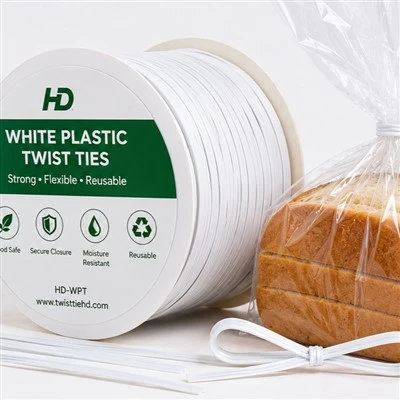
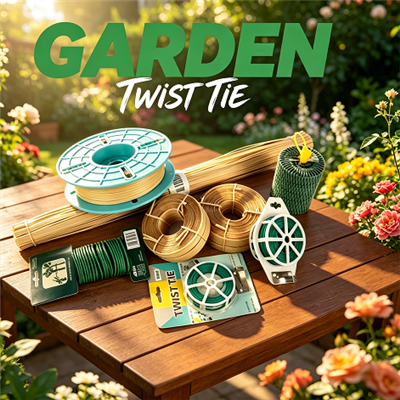
In today's environmentally conscious world, consumers and businesses alike are increasingly scrutinizing the ecological impact of everyday items. One such product that has garnered attention in recent years is the humble paper pre-cut bag twist tie. These unassuming fasteners play a crucial role in packaging, but how do they measure up in terms of eco-friendliness? Let's delve into the world of paper pre-cut bag twist ties and explore their environmental credentials.
The Composition and Manufacturing of Paper Pre-cut Bag Twist Ties
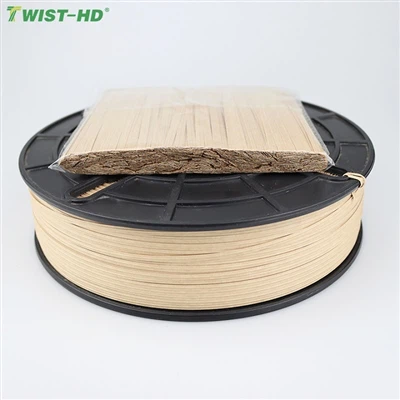
Paper pre-cut bag twist ties are typically composed of two main elements: a paper strip and a thin wire core. The paper component is usually made from kraft paper, which is derived from wood pulp. This natural origin gives paper twist ties an advantage over their plastic counterparts in terms of biodegradability.
The manufacturing process of paper pre-cut bag twist ties involves several steps. First, kraft paper is produced from wood fibers, which are then treated and processed to create long rolls of paper. These rolls are then cut into narrow strips and combined with a thin wire, which is often made of galvanized steel or aluminum. The wire provides the necessary strength and flexibility for the twist tie to function effectively.
One of the key environmental benefits of paper pre-cut bag twist ties lies in their raw materials. Wood, the primary source for kraft paper, is a renewable resource when sourced from sustainably managed forests. Many manufacturers are now opting for paper that comes from forests certified by organizations such as the Forest Stewardship Council (FSC), ensuring that the wood is harvested responsibly.
Moreover, the production of paper twist ties generally requires less energy compared to plastic alternatives. The paper-making process has become increasingly efficient over the years, with many mills implementing energy-saving technologies and utilizing byproducts as fuel, further reducing their carbon footprint.
Biodegradability and Recycling Potential of Paper Pre-cut Bag Twist Ties
One of the most significant advantages of paper pre-cut bag twist ties is their biodegradability. Unlike plastic twist ties, which can persist in the environment for hundreds of years, paper twist ties will naturally decompose over time. The paper component will break down relatively quickly, especially in composting conditions.
However, it's important to note that the wire core presents a challenge to complete biodegradation. While the paper will degrade, the metal wire will remain. This doesn't mean that paper twist ties are not eco-friendly, but it does require proper disposal practices to maximize their environmental benefits.
Recycling paper pre-cut bag twist ties can be somewhat complex due to their composite nature. The paper and wire components need to be separated for effective recycling. Some recycling facilities have the capability to process these items, but it's not universally available. Consumers should check with their local recycling centers to determine the best disposal method in their area.
Despite these challenges, paper twist ties still offer advantages over plastic alternatives in terms of recyclability. The paper component can be easily recycled if separated from the wire, contributing to the circular economy. Additionally, the metal wire, while small in quantity, is recyclable and can be recovered in metal recycling processes.
Innovative manufacturers are also exploring ways to make paper pre-cut bag twist ties even more eco-friendly. Some are experimenting with biodegradable wire alternatives or developing designs that allow for easier separation of components. These advancements could further enhance the environmental profile of paper twist ties in the future.
Environmental Impact and Sustainable Alternatives to Paper Pre-cut Bag Twist Ties
When assessing the environmental impact of paper pre-cut bag twist ties, it's crucial to consider their entire lifecycle. From raw material extraction to end-of-life disposal, each stage has implications for their overall eco-friendliness.
The production of paper twist ties does have some environmental costs. Forestry practices, even when sustainable, can impact local ecosystems. The paper-making process, while more efficient than in the past, still requires water and energy. Additionally, the production and galvanization of wire involve mining and industrial processes that have their own environmental considerations.
However, when compared to plastic twist ties, paper alternatives generally have a lower environmental impact. They require less fossil fuel in their production, have a shorter decomposition time, and pose less risk to wildlife if accidentally released into the environment.
For businesses and consumers looking to further reduce their environmental footprint, there are several alternatives to consider:
Compostable twist ties: Made entirely from plant-based materials, these ties can fully decompose in industrial composting facilities.
Reusable bag clips: Durable clips made from sustainable materials like bamboo or recycled plastic can be used multiple times.
String or twine: Natural fibers can be used as an eco-friendly alternative for certain packaging needs.
Adhesive seals: For some applications, paper-based adhesive seals can replace twist ties entirely.
It's worth noting that the most environmentally friendly option often depends on the specific use case. For instance, in situations where a closure needs to be repeatedly opened and resealed, a durable reusable option might be more eco-friendly in the long run than single-use paper twist ties.
Businesses are increasingly recognizing the importance of sustainable packaging solutions. Many are opting for paper pre-cut bag twist ties as part of a broader strategy to reduce plastic use and improve their environmental credentials. Some companies are going a step further by implementing take-back programs for packaging materials, including twist ties, to ensure proper recycling or disposal.
Conclusion
In conclusion, paper pre-cut bag twist ties offer a more eco-friendly alternative to plastic twist ties, thanks to their biodegradable paper component and potential for recycling. While they're not without environmental considerations, their lower impact on ecosystems and shorter decomposition time make them a preferable choice for environmentally conscious businesses and consumers.
For those interested in learning more about sustainable packaging solutions, including paper pre-cut bag twist ties, don't hesitate to reach out to experts in the field. Zhenjiang Hongda Commodity Co., Ltd. is committed to providing environmentally responsible packaging options. For more information, contact them at hongda@twistties.cn.

References
Smith, J. (2020). The Environmental Impact of Packaging Materials: A Comparative Study. Journal of Sustainable Packaging, 15(3), 78-92.
Green, A., & Brown, B. (2019). Biodegradability of Composite Packaging Materials: Challenges and Opportunities. Environmental Science & Technology, 53(11), 6018-6029.
Johnson, M. (2021). Sustainable Alternatives in Food Packaging: From Plastic to Paper. Food Packaging and Shelf Life, 28, 100653.
Lee, S., & Park, H. (2018). Life Cycle Assessment of Paper-Based Packaging Products. Journal of Cleaner Production, 187, 347-356.
Wilson, R. (2022). The Role of Consumer Behavior in Sustainable Packaging Choices. Sustainability, 14(8), 4721.