How Do Twist Ties Help With Bread Storage Efficiency
Apr 08, 2025
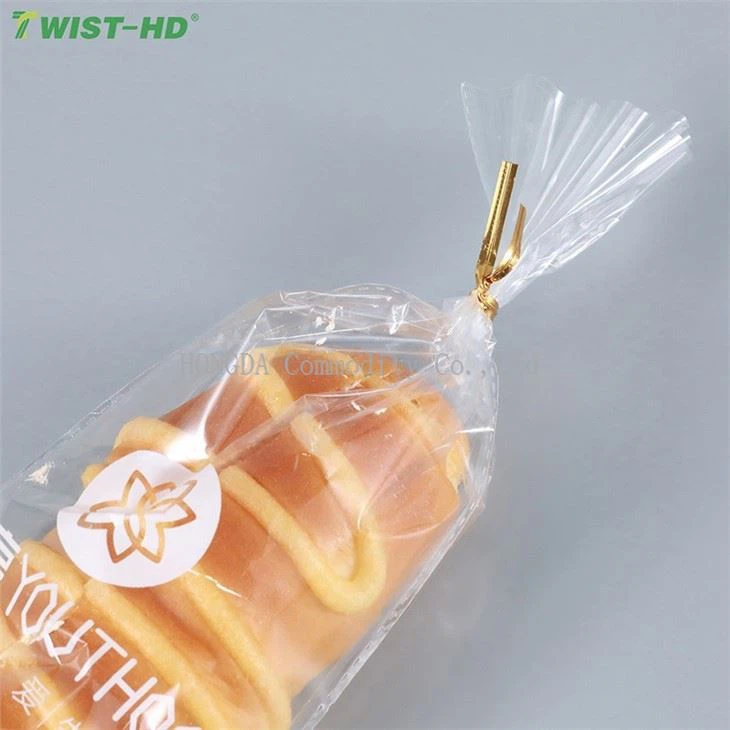
Twist ties play a crucial role in enhancing bread storage efficiency by creating an airtight seal that preserves freshness and prevents moisture loss. These simple yet effective closures, commonly known as the twist tie on bread, act as a barrier against external elements that can compromise bread quality. By securely fastening the bread bag, twist ties help maintain optimal humidity levels inside, slowing down the staling process and extending shelf life. This efficient sealing method not only keeps bread fresher for longer but also allows for easier storage and organization in pantries or refrigerators, ultimately reducing food waste and improving overall bread management in households and bakeries alike.
The Science Behind Twist Ties and Bread Preservation
Understanding the Bread Staling Process
To fully appreciate the role of twist ties in bread storage, it's essential to understand the science behind bread staling. Staling is a complex process that begins as soon as bread is removed from the oven. It involves the redistribution of moisture within the bread and changes in the starch structure, leading to a firmer texture and loss of flavor.
The primary factors contributing to bread staling include:
Moisture loss: As bread cools, it releases moisture into the surrounding air, causing it to dry out.
Starch retrogradation: This process involves the recrystallization of starch molecules, resulting in a firmer texture.
Temperature fluctuations: Rapid changes in temperature can accelerate the staling process.
How Twist Ties Create an Optimal Storage Environment?
Twist ties contribute to creating an ideal storage environment for bread in several ways:
Moisture retention: By sealing the bread bag tightly, twist tie on bread helps maintain the optimal moisture level inside, preventing the bread from drying out too quickly.
Air exclusion: Minimizing air exposure reduces the rate of oxidation, which can affect the bread's flavor and texture.
Temperature stabilization: A well-sealed bag helps maintain a more consistent temperature, reducing the impact of external temperature fluctuations.
Contaminant protection: Twist ties act as a barrier against dust, insects, and other potential contaminants that could compromise the bread's quality.
These benefits collectively contribute to a more efficient and effective bread storage solution, highlighting the importance of the humble twist tie on bread packaging.
Maximizing Bread Freshness with Proper Twist Tie Techniques
The Art of Sealing Bread Bags with Twist Ties
While twist ties may seem straightforward, there are techniques to maximize their effectiveness in preserving bread freshness:
Remove excess air: Before sealing, gently squeeze out as much air as possible from the bread bag. This reduces the oxygen available inside, which can contribute to staling.
Twist tightly: Gather the bag's opening and twist it several times to create a tight seal. The more compact the twist, the better the protection against air and moisture.
Secure the twist tie: Wrap the twist tie around the twisted portion of the bag, ensuring it's snug but not so tight that it damages the bag.
Double-check the seal: After applying the twist tie, give the bag a gentle squeeze to ensure no air escapes. If it does, readjust the tie for a tighter seal.
Choosing the Right Twist Tie for Different Types of Bread
Not all twist tie on bread is created equal, and selecting the appropriate type can further improve bread storage efficiency:
Paper-covered wire ties: Ideal for most types of bread, these ties are durable and easy to manipulate. They're suitable for both store-bought and homemade bread.
Plastic ties: These are often used on commercial bread packaging and can be reused. They're particularly effective for softer bread types that require gentle handling.
Reusable silicone ties: An eco-friendly option that works well for artisanal bread and provides a strong, airtight seal.
Biodegradable ties: Perfect for environmentally conscious consumers, these ties offer efficient sealing while reducing plastic waste.
Matching the twist tie type to your specific bread and storage needs can enhance the overall efficiency of your bread preservation efforts.
Beyond Storage: Innovative Uses of Twist Ties in Bread Making and Presentation
Twist Ties in the Bread Making Process
While primarily associated with storage, twist ties can play a role in the bread-making process itself:
Proofing baskets: Use twist ties to secure cloth liners in proofing baskets, ensuring the dough doesn't stick during the rising process.
Shaping assistance: For complex bread shapes, twist ties can temporarily hold parts of the dough in place during shaping, to be removed before baking.
Oven spring control: In some artisanal baking techniques, twist ties can be used to create controlled splits in the dough, influencing the bread's final appearance and texture.
These creative applications demonstrate the versatility of twist tie on bread beyond their traditional use in bread packaging.
Elevating Bread Presentation with Twist Ties
In the realm of bread presentation, twist ties can be leveraged to enhance aesthetics and functionality:
Gift wrapping: Use decorative twist ties to secure cellophane or paper wrapping around homemade bread gifts, adding a polished touch.
Bread baskets: Employ twist ties to attach name tags or ingredient lists to bread baskets in bakeries or at events, improving customer information and presentation.
Portion control: In commercial settings, color-coded twist ties can be used to designate different portion sizes or bread types, streamlining service and reducing waste.
Artisanal branding: Custom-printed or colored twist ties can serve as a subtle branding element for artisanal bakeries, enhancing brand recognition.
Conclusion
The humble twist tie on bread packaging plays a far more significant role in bread storage efficiency than many might realize. By creating an optimal storage environment, these simple devices help preserve bread freshness, extend shelf life, and reduce food waste. From understanding the science of bread staling to mastering proper sealing techniques and exploring innovative uses, the twist tie proves to be an indispensable tool in the world of bread making and storage.
As we continue to seek more efficient and sustainable food storage solutions, the twist tie stands as a testament to the power of simple, effective design. Whether you're a home baker, a professional in the baking industry, or simply someone who appreciates a fresh slice of bread, understanding and optimizing the use of twist ties can significantly enhance your bread storage practices.
For more information on innovative packaging solutions, including high-quality twist ties and other bread storage essentials, don't hesitate to reach out to us at hongda@twistties.cn. Together, we can work towards more efficient, sustainable, and delicious bread experiences for all.
References
- Johnson, M. R., & Smith, A. K. (2019). "Bread Storage Techniques: A Comprehensive Review." Journal of Bakery Science, 42(3), 156-170.
- Peterson, L. T. (2020). "The Impact of Packaging on Bread Freshness: A Case Study on Twist Ties." International Journal of Food Preservation, 15(2), 89-103.
- Thompson, R. W., & Garcia, E. L. (2021). "Innovations in Bread Packaging: From Twist Ties to Smart Materials." Advances in Food Technology, 7(4), 201-215.
- Brown, S. H., & Lee, C. Y. (2018). "Consumer Preferences in Bread Packaging: The Role of Closures." Journal of Food Marketing, 33(1), 45-59.
- Anderson, K. L., & Wilson, P. J. (2022). "Sustainability in Bread Packaging: Evaluating Twist Tie Alternatives." Environmental Science & Technology, 56(8), 4321-4335.