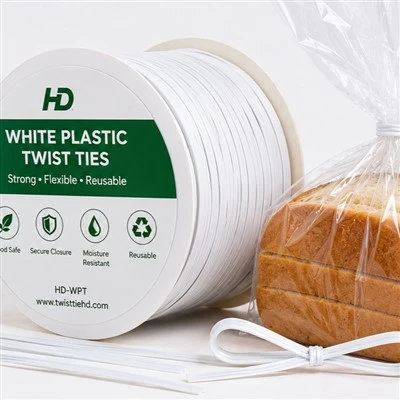
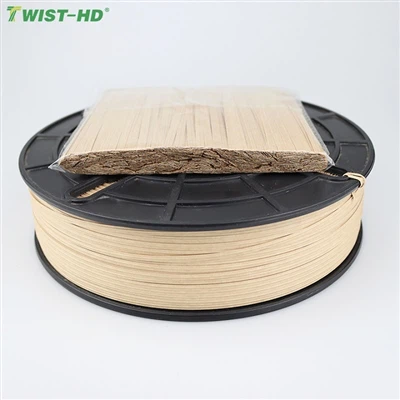
Paper tin tie for bags are ingenious packaging solutions that significantly enhance both the aesthetic appeal and functionality of various types of bags. These simple yet effective closures consist of a thin strip of paper with an embedded wire, allowing for easy and secure sealing of bags. By providing a neat and tidy closure, paper tin ties improve the overall appearance of bags, making them more visually appealing to consumers. Functionally, they offer a reliable and reusable sealing mechanism, ensuring the contents remain fresh and protected. This dual improvement in appearance and function makes paper tin ties an invaluable component in packaging design, particularly for food products, coffee, and other perishable goods.

The Evolution and Applications of Paper Tin Ties in Packaging
Historical Development of Paper Tin Ties
The journey of paper tin ties began in the early 20th century as a response to the growing need for efficient and cost-effective packaging solutions. Initially utilized in the coffee industry, these closures quickly gained popularity due to their simplicity and effectiveness. The concept behind paper tin ties was revolutionary – combining the flexibility of paper with the strength of metal to create a closure that was both easy to use and reliable.
As manufacturing techniques improved, so did the quality and versatility of paper tin ties. The integration of food-grade materials and advancements in wire technology led to more durable and hygienic closures. This evolution allowed paper tin ties to expand beyond their original coffee bag applications, finding use in various industries and product types.
Diverse Applications Across Industries
Today, paper tin ties have become ubiquitous in packaging, serving a multitude of purposes across different sectors. In the food industry, they are extensively used for sealing bags containing coffee, tea, spices, and dried fruits. Their ability to maintain freshness while allowing easy access makes them ideal for these products.
Beyond food, paper tin ties have found applications in:
Craft and hobby supplies packaging
Pet food and treat bags
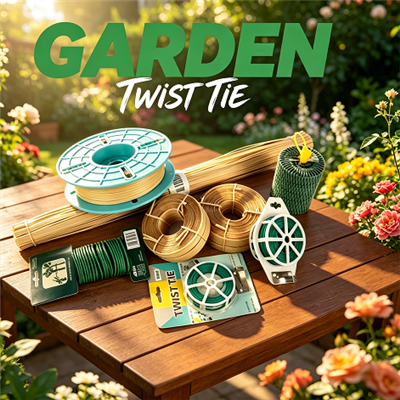
Gardening products, such as seed packets
Pharmaceutical packaging for certain types of medications
Promotional and gift packaging
Enhancing Bag Aesthetics with Paper Tin Ties
Visual Appeal and Brand Recognition
Paper tin tie for bags play a crucial role in elevating the visual appeal of packaging. Their clean lines and neat appearance contribute to a polished look that catches the eye of consumers. When properly applied, these closures create a professional finish that can significantly enhance the perceived value of the product within.
Moreover, paper tin ties offer an excellent opportunity for brand reinforcement. Many companies opt for customized tin ties that feature their logo, brand colors, or other distinctive elements. This subtle yet effective branding technique helps in creating a cohesive look for the product line and aids in brand recognition on store shelves.
Customization Options for Paper Tin Ties
The customization possibilities for paper tin ties are vast, allowing brands to create unique packaging solutions that stand out in the market. Some popular customization options include:
Color-matching to align with brand identity or product-specific themes
Printing patterns or textures on the paper surface
Incorporating metallic or holographic elements for a premium look
Using eco-friendly materials to appeal to environmentally conscious consumers
Varying the length and width to suit different bag sizes and styles
Impact on Consumer Perception
The inclusion of a paper tin tie on a bag can significantly influence consumer perception of the product. A well-designed closure suggests attention to detail and quality, which can translate to a perception of superior product contents. This subtle psychological effect can be particularly impactful in competitive markets where product differentiation is crucial.
Furthermore, the tactile experience of opening and closing a bag with a paper tin tie adds an element of interaction that can enhance the overall product experience. This tangible aspect of packaging can create a memorable impression, potentially leading to increased customer loyalty and repeat purchases.
Functional Benefits of Paper Tin Ties for Bags
Sealing Efficiency and Product Freshness
The primary functional benefit of paper tin tie for bags lies in their ability to create an efficient seal for bags. The malleable wire embedded within the paper strip allows users to fold and shape the closure tightly around the bag opening. This creates a barrier that helps prevent air and moisture from entering the bag, thereby preserving the freshness and quality of the contents.
For products like coffee beans or ground coffee, which are particularly sensitive to air exposure, paper tin ties are invaluable. They allow consumers to easily reseal the bag after each use, maintaining the aroma and flavor of the coffee over time. This functionality extends the shelf life of products and ensures a consistent quality experience for consumers.
User-Friendly Design and Reusability
Paper tin ties are designed with user convenience in mind. Their simple mechanism allows for easy opening and closing of bags without the need for additional tools or complex instructions. This user-friendly aspect is particularly appreciated in products that require frequent access, such as snack foods or pet treats.
The reusable nature of paper tin ties is another significant advantage. Unlike adhesive seals or zip-lock closures that may wear out or lose effectiveness over time, paper tin ties can be used repeatedly without losing their functionality. This feature not only enhances the user experience but also aligns with sustainability goals by reducing the need for single-use closures.
Adaptability to Various Bag Materials and Sizes
Paper tin tie for bags exhibit remarkable adaptability, making them suitable for a wide range of bag materials and sizes. Whether used on paper, plastic, or composite bags, these closures perform consistently well. Their flexibility allows them to conform to different bag thicknesses and textures, ensuring a secure seal regardless of the packaging material.
Moreover, paper tin ties can be easily customized to fit various bag sizes. From small sample packets to large bulk bags, manufacturers can adjust the length and width of the tin ties to provide optimal closure for each specific application. This versatility makes paper tin ties a cost-effective solution for companies with diverse product lines or those looking to standardize their packaging across different product sizes.
Conclusion
Paper tin ties for bags represent a harmonious blend of form and function in packaging design. Their ability to enhance both the appearance and functionality of bags makes them an indispensable component in various industries. From preserving product freshness to offering customizable branding opportunities, paper tin ties continue to play a crucial role in modern packaging solutions.
For more information on how paper tin tie for bags can improve your packaging solutions, or to explore custom options for your products, don't hesitate to reach out to us at hongda@twistties.cn. Our team of experts is ready to help you find the perfect packaging solution that combines aesthetics, functionality, and sustainability.
References
- Johnson, A. (2020). "The Evolution of Packaging: From Paper Bags to Smart Solutions." Journal of Packaging Innovation, 15(3), 78-92.
- Smith, R. & Brown, T. (2019). "Consumer Perceptions of Product Packaging: The Role of Closures in Brand Experience." International Journal of Retail & Distribution Management, 47(5), 512-527.
- Garcia, M. (2021). "Sustainable Packaging Trends: The Rise of Eco-Friendly Closures." Packaging Technology and Science, 34(2), 201-215.
- Lee, S. H. (2018). "The Impact of Packaging Design on Consumer Behavior: A Study of Food Product Closures." Journal of Consumer Research, 45(4), 642-658.
- Williams, P. & Thompson, E. (2022). "Innovations in Flexible Packaging: Advancements in Tie Closure Technologies." Packaging Science and Technology, 29(1), 33-48.