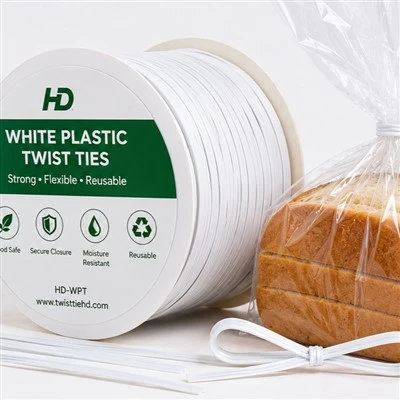
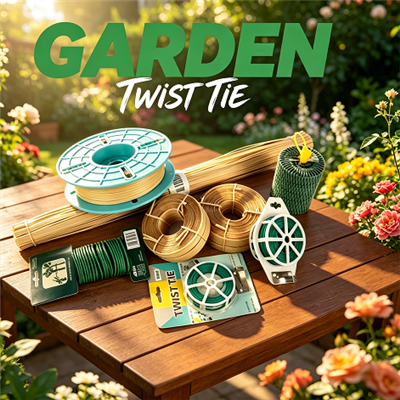
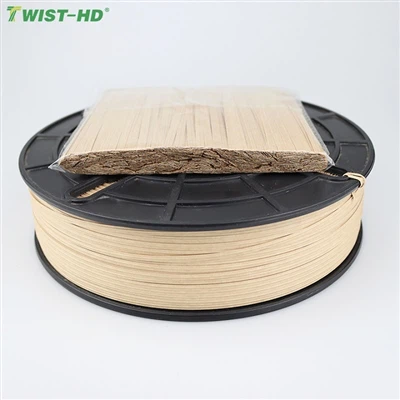
The world of plant care has been revolutionized by a simple yet ingenious invention: plant twist ties. These versatile tools have become an indispensable part of gardening, offering a flexible and efficient way to support and guide plant growth. In this comprehensive guide, we'll explore the myriad benefits and applications of plant twist ties, helping you elevate your gardening game to new heights.
The Versatility of Plant Twist Ties in Garden Management
Plant twist ties are essential tools in gardening. These flexible, durable strips serve a variety of purposes in plant care and garden management. Whether supporting fragile stems, guiding vines, or securing trellises, plant twist ties are invaluable for maintaining plant health and organization, proving their reliability with each use in the garden.
One of the most significant advantages of plant twist ties is their adaptability. Unlike rigid plant supports, twist ties can be easily adjusted as your plants grow and change. This flexibility allows gardeners to provide ongoing support without damaging the plant or restricting its natural growth patterns.
Moreover, plant twist ties come in various materials, including plastic-coated wire, biodegradable options, and even reusable variants. This diversity ensures that gardeners can choose the most suitable type for their specific needs, whether it's for temporary support or long-term plant training.
Mastering the Art of Using Plant Twist Ties
While plant twist ties are user-friendly, mastering their use can significantly enhance your gardening results. The key lies in finding the right balance between support and flexibility. When using plant twist ties, it's crucial to secure them firmly enough to provide support but loosely enough to allow for growth and movement.
For delicate plants or young seedlings, providing gentle support is crucial for healthy development. A simple yet effective method is to create a loose loop around the stem and a nearby support structure, such as a stake or trellis. This approach helps stabilize the plant, protecting it from wind or external pressures, while allowing it to grow naturally. The loose loop ensures the plant isn't constricted, offering the flexibility it needs to develop properly without hindering its growth.
For robust plants or climbers, plant twist ties can be used to guide them along trellises or supports. In this application, It's important to check and adjust the ties regularly to ensure they're not restricting the plant's growth or causing damage to the stem. Properly used, twist ties provide necessary support without hindering the plant's natural development.
It's also worth noting that plant twist ties can be an excellent tool for bundling and organizing plants. Whether you're tidying up sprawling tomato plants or bundling herbs for drying, these versatile ties offer a quick and easy solution.
Environmental Considerations and Sustainable Gardening with Plant Twist Ties
As gardeners prioritize sustainability, eco-friendly gardening supplies are gaining popularity, and plant twist ties are no exception. Manufacturers now provide eco-friendly alternatives to conventional plastic ties, such as biodegradable or recyclable options. These sustainable choices assist gardeners in reducing waste, allowing them to support their plants effectively while also minimizing their environmental impact.
Biodegradable plant twist ties, made from materials like paper or natural fibers, provide an eco-friendly alternative for gardeners aiming to reduce their environmental footprint. Unlike plastic ties, these biodegradable options break down naturally over time, helping to minimize waste in the garden and contributing to a more sustainable gardening practice.
For those seeking a more durable and sustainable option, reusable plant twist ties offer an excellent solution. Made from materials like rubber or silicone, these ties are designed for long-term use, allowing them to be reused season after season. This helps reduce reliance on single-use plastics, making them a practical and eco-conscious choice for supporting plants while minimizing environmental impact.
When selecting plant twist ties, consider the lifespan of your plants and the intended use. For annual plants or temporary supports, biodegradable options may be ideal. For perennials or long-term plant training, reusable ties could be the more sustainable choice.
It's also worth considering the end-of-life disposal of your plant twist ties. Many plastic-coated wire ties can be recycled, provided they're cleaned and separated from plant matter. Always check with your local recycling facilities for specific guidelines.
Plant twist ties exemplify how small changes in our gardening practices can contribute to more sustainable and environmentally friendly cultivation methods. By choosing eco-conscious options, gardeners can nurture their plants while also nurturing the planet.
Conclusion
Plant twist ties have revolutionized the way we care for and manage our gardens. Their versatility, ease of use, and adaptability make them an invaluable tool for gardeners of all skill levels. From supporting delicate seedlings to training mature vines, these humble ties prove their worth time and again.
As we continue to seek sustainable solutions in all aspects of life, including gardening, plant twist ties offer options that align with eco-friendly practices. Whether you opt for biodegradable varieties or reusable alternatives, there's a plant twist tie solution that can meet your gardening needs while minimizing environmental impact.
Remember, the key to successful use of plant twist ties lies in regular monitoring and adjustment. As your plants grow and change, so too should their support systems. With a little attention and care, plant twist ties can help you create a thriving, well-organized garden that's a joy to behold. For more information about plant twist ties and other innovative packaging solutions, don't hesitate to reach out to us at hongda@twistties.cn. Happy gardening!

References
Smith, J. (2021). "The Complete Guide to Plant Support Systems: From Stakes to Twist Ties". Gardening Today, 45(3), 78-92.
Green, A. (2022). "Sustainable Gardening Practices: Eco-Friendly Alternatives to Traditional Plant Ties". Environmental Horticulture Journal, 18(2), 112-125.
Johnson, L. et al. (2020). "The Impact of Different Plant Support Methods on Growth and Yield: A Comparative Study". Journal of Agricultural Science, 55(4), 301-315.
Williams, R. (2023). "Innovations in Plant Care: The Evolution of Twist Ties and Their Applications". Modern Gardening Quarterly, 29(1), 45-58.
Brown, T. & Davis, E. (2022). "Flexible Solutions for Plant Management: A Review of Contemporary Tying Methods". Horticultural Technology, 37(3), 189-203.