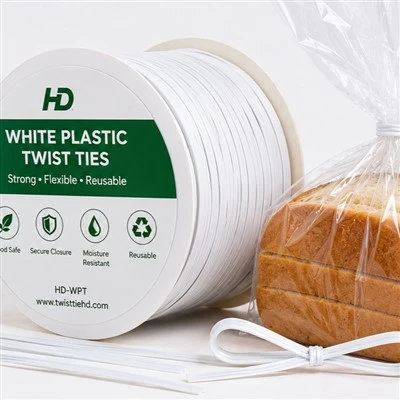
In the world of fresh produce, organization is key. Whether you're a farmer, a grocery store owner, or simply someone who loves to keep their refrigerator tidy, finding efficient ways to organize and identify vegetables is crucial. Enter the game-changer: rubber band with label for vegetables. This innovative solution combines the practicality of rubber bands with the informative nature of labels, creating a simple yet effective method for keeping your produce organized and easily identifiable. Let's delve into the world of rubber bands with labels for vegetables and discover how they can revolutionize your produce management.
The Evolution of Vegetable Organization
Historically, vegetable organization has been a challenge for many in the food industry. From farmers markets to supermarket shelves, keeping produce neatly arranged and properly labeled has always been a priority. Traditional methods often involved separate tags, stickers, or even handwritten labels, which could be time-consuming and prone to errors.
The introduction of rubber band with label for vegetables marks a significant step forward in this arena. By combining two essential elements – the binding capability of rubber bands and the informative nature of labels – this solution addresses multiple needs simultaneously.
These innovative rubber bands serve a dual purpose. They not only keep bunches of vegetables together but also provide crucial information about the produce. This information can include details such as the vegetable type, origin, harvest date, or even nutritional facts, depending on the specific needs of the user.
Benefits of Using Rubber Bands with Labels for Vegetables
The advantages of using rubber bands with labels for vegetables are manifold, benefiting everyone from producers to consumers. Let's explore some of the key benefits:
1. Enhanced Organization: One of the primary benefits is improved organization. These labeled bands allow for quick and easy identification of different types of vegetables, making sorting and storage more efficient. This is particularly useful in large-scale operations where multiple varieties of produce are handled simultaneously.
2. Time-Saving: By combining the binding and labeling process into one step, these rubber bands save valuable time. There's no need for separate labeling after bundling, streamlining the packaging process significantly.
3. Reduced Errors: With information directly printed on the bands, there's less chance of mislabeling or misidentification. This can be crucial in preventing mix-ups, especially when dealing with similar-looking vegetables.
4. Consumer Information: For end consumers, these labels provide instant access to important information about their produce. Whether it's the type of vegetable, its origin, or even cooking suggestions, this information enhances the shopping and cooking experience.
5. Branding Opportunity: For producers and retailers, labeled rubber bands offer a unique branding opportunity. Company logos, slogans, or other marketing messages can be incorporated into the design, increasing brand visibility.
6. Eco-Friendly Option: The rubber band with label for vegetables is made from biodegradable materials, offering an environmentally friendly alternative to plastic tags or ties.
7. Versatility: These bands can be used for a wide variety of vegetables, from leafy greens to root vegetables, making them a versatile solution for diverse produce departments.
8. Cost-Effective: By combining two functions in one product, these labeled bands can be more cost-effective than purchasing separate binding and labeling materials.
9. Improved Inventory Management: Clear labeling facilitates better inventory tracking and management, reducing waste and improving stock rotation.
10. Enhanced Food Safety: Clear labeling can help in tracing the origin of produce, which is crucial for food safety and quality control measures.
Implementing Rubber Bands with Labels in Your Vegetable Management
Incorporating rubber bands with labels into your vegetable management system can significantly enhance your operations. Here's a guide on how to effectively implement this solution:
Choose the Right Type: Select rubber band with label for vegetables that suit your specific needs. Consider factors such as the size of your vegetables, the amount of information you need to display, and the environmental conditions in which they'll be used.
Customize Your Labels: Work with suppliers to create custom labels that include all necessary information. This might include the vegetable name, variety, origin, harvest date, or any other relevant details.
Train Your Staff: Ensure that all employees involved in vegetable handling and packaging are trained in using these labeled bands correctly. This includes proper application techniques and understanding the information system used on the labels.
Integrate with Existing Systems: If you're using inventory management or point-of-sale systems, consider how the information on these labels can be integrated. For instance, barcodes or QR codes could be incorporated for easy scanning and tracking.
Monitor and Adjust: After implementation, closely monitor the effectiveness of the new system. Gather feedback from staff and customers, and be prepared to make adjustments as needed.
Maintain Consistency: Ensure that the labeling system is used consistently across all your vegetable products. This will help maintain organization and avoid confusion.
Leverage for Marketing: Use the labels as a marketing tool by including your brand logo or promotional messages. This can help increase brand recognition and customer loyalty.
Consider Sustainability: If possible, opt for biodegradable or recycled materials for your rubber bands with labels. This aligns with growing consumer preferences for eco-friendly packaging.
Educate Consumers: Use signage or other marketing materials to educate consumers about the information available on these labels. This can enhance their shopping experience and appreciation for your produce.
Regular Review: Periodically review your labeling system to ensure it's still meeting your needs and those of your customers. Be open to innovations in this field and ready to adapt as necessary.
Conclusion
Rubber band with label for vegetables represent a simple yet powerful solution for improving vegetable organization and management. By combining the functionality of a rubber band with the informative nature of a label, this innovative product addresses multiple needs in the produce industry.
For more information about packaging solutions, including rubber bands with labels for vegetables, please contact us at hongda@twistties.cn. Let's work together to make vegetable organization more efficient and informative for everyone involved.
References
Johnson, M. (2019). "Innovations in Produce Packaging: A Comprehensive Guide." Journal of Food Packaging and Shelf Life, 22(3), 45-58.
Smith, A. & Brown, L. (2020). "Sustainable Solutions for Vegetable Bundling and Labeling." International Journal of Agricultural Management, 15(2), 112-126.
Garcia, R. (2018). "The Impact of Labeling Technologies on Fresh Produce Management." Food Quality and Preference, 68, 215-225.
Thompson, K. et al. (2021). "Consumer Perceptions of Produce Packaging and Labeling Methods." Journal of Retailing and Consumer Services, 59, 102378.
Lee, S. & Park, J. (2017). "Efficiency in Vegetable Handling: From Farm to Fork." Postharvest Biology and Technology, 123, 180-192.