Introduction
The short answer is that plastic twist ties are not automatically recyclable. Many conventional plastic twist ties consist of a plastic covering around an internal metal wire core. Because this is a composite structure, the item may not fit directly into standard plastic recycling streams.
Recyclability depends on the specific product construction, local recycling rules, and whether local facilities can sort and process the combined materials. This article explains the material issues, why disposal can be difficult, and what consumers and businesses should check.
Are Plastic Twist Ties Recyclable?
Plastic twist ties are not automatically accepted in plastic recycling bins. They contain both a plastic covering and a metal wire core, while standard recycling streams are generally designed for one dominant material type.
A key distinction is that the plastic and metal may each have recycling value as raw materials, but that does not mean the finished twist tie will be accepted by a local recycling program. Acceptance depends on local rules and on whether the facility can effectively sort and process the composite item. Do not assume that the plastic and metal components will be recovered separately just because each material has potential recycling value.
What Materials Affect Plastic Twist Tie Recycling?
Plastic Covering
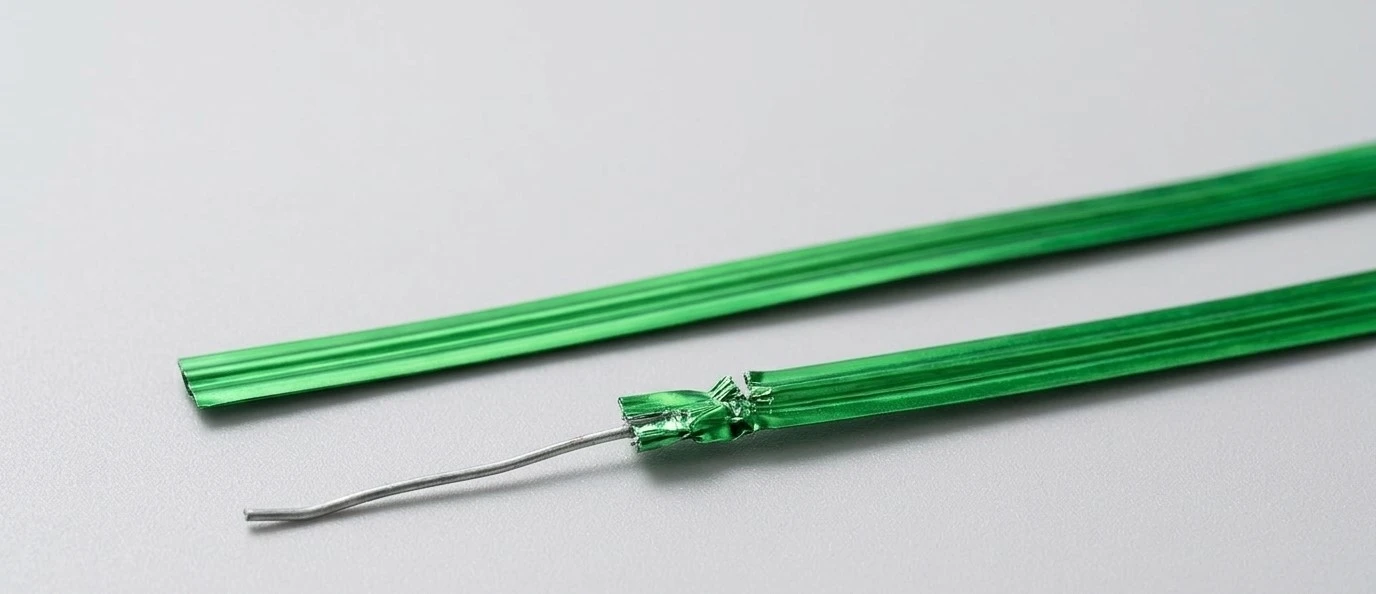
The plastic covering protects the wire core and gives the twist tie its outer surface. Different plastic materials may have different recycling requirements, and the presence of a plastic covering does not automatically mean the item belongs in a plastic recycling stream. The type of plastic and the fact that it is combined with metal both affect how the item is handled at end of life.For example, [plastic vegetable twist ties] combine an outer plastic covering with an internal metal wire core. The exact material specifications may vary depending on the product.
Internal Metal Wire Core
The metal wire core provides the ability to bend and hold shape. In many products, the wire is enclosed within or wrapped by the plastic covering. Product designs vary, and separation may be difficult. The combination of plastic and metal in one small item adds complexity to sorting and processing.
Why the Combination Matters
Single-material products and composite products are handled differently in recycling systems. Recycling equipment may not identify or separate the plastic and metal components of a twist tie. Small metal components may not be effectively recovered, depending on sorting equipment. Whether a twist tie can be processed depends on the specific capabilities and acceptance rules of the local recycling facility.
Why Are Plastic Twist Ties Difficult to Recycle?
Mixed Materials Complicate Sorting and Processing
Plastic and metal usually require different recycling processes. When these materials are combined in a small product, the finished item may not be suitable for either recycling stream without additional separation. Separation may be difficult, and the need for separation depends on the product design and the facility's processing capability. This does not mean the materials have no recycling value; it means the finished product may not fit standard collection and sorting systems.
Small Size and Sorting Limitations
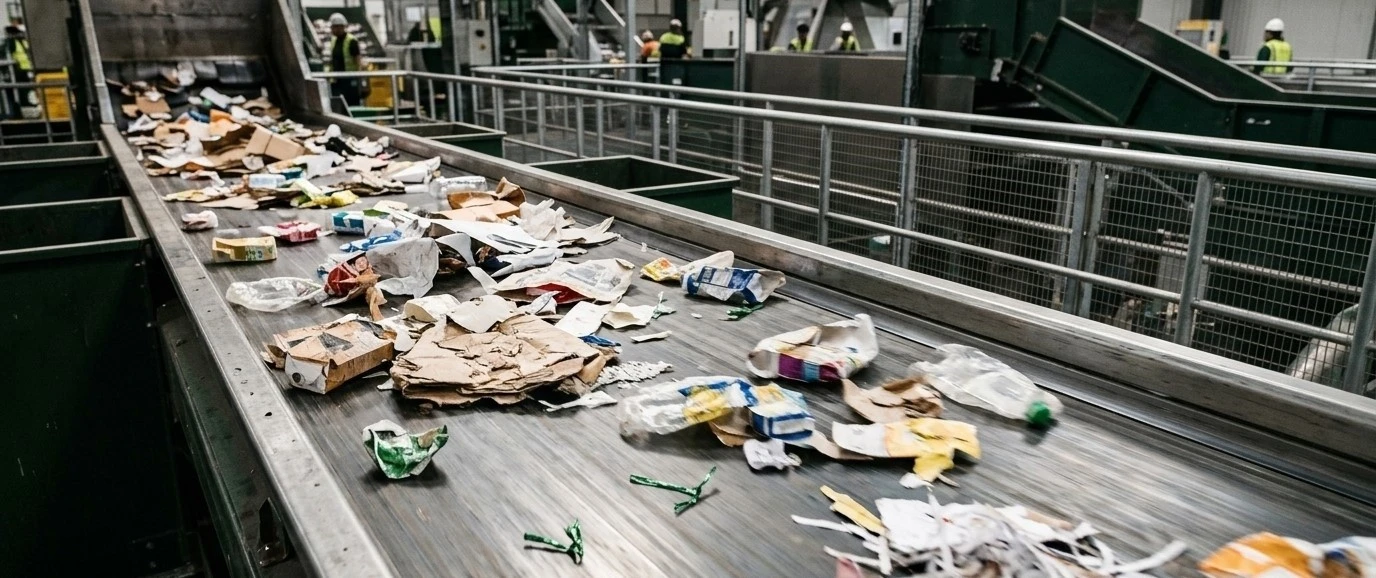
The small size of twist ties can create problems during collection, screening, and sorting. Depending on facility design and sorting procedures, small items may pass through screening equipment or be missed during sorting, making material recovery more difficult.
How Should Used Plastic Twist Ties Be Disposed Of?
Check Local Recycling Guidelines
Review local rules for plastic and metal items. Confirm whether the local program accepts small items made from combined plastic and metal. Do not place items in the recycling bin if they do not meet the facility's acceptance criteria.
Separate Materials Only When Appropriate
If local guidelines require separation, consider whether the plastic covering can be separated safely and effectively. Do not assume that manually removing the plastic covering will automatically improve recycling outcomes. Avoid separation methods that could cause injury from sharp wire ends or create loose small pieces that are difficult to manage.
Follow Local Waste Disposal Requirements
If the local recycling system does not accept plastic twist ties, dispose of them according to local household waste or other applicable waste disposal requirements.
What Should Businesses Consider When Choosing Twist Ties?
For businesses, twist tie selection should include end-of-life considerations alongside product performance and packaging requirements.
Understand the Material Composition
Before purchasing, understand the specific plastic covering material and metal wire core material. Material composition affects how the product may be handled when it becomes waste.
Consider Local Recycling Infrastructure
The theoretical material properties of a product are not the same as the actual recycling capability in the local area. Consider whether local facilities can accept and process the materials used in the packaging system.
Evaluate the Complete Packaging System
Do not evaluate the twist tie in isolation. Consider how it interacts with the packaging bag and other packaging materials, because the complete packaging system affects how the product is handled as waste.
Ask Suppliers for Material Information
When procuring twist ties, ask suppliers for:
- Plastic and metal material specifications
- Supporting documentation for the materials used
Material information is not the same as recycling certification or a guarantee of recyclability. It provides composition details, but actual recyclability still depends on local infrastructure and acceptance rules.
Frequently Asked Questions About Plastic Twist Tie Recycling
Can plastic twist ties go in the plastic recycling bin?
Not necessarily. Standard plastic recycling bins may not accept composite products containing a metal wire core. Check local guidelines first.
Can the metal wire inside a twist tie be recycled?
The metal may have recycling value, but recovery depends on wire size, collection methods, separation conditions, and local facility acceptance. The finished twist tie is not automatically recyclable.
Should I remove the plastic covering before recycling a twist tie?
Do not assume that manual separation is required or beneficial. Confirm local recycling requirements first and consider safety. Removing the covering may not improve recycling outcomes.
Are all plastic twist ties made from the same materials?
No. Different products may use different plastic covering materials and different metal wire cores.
Is a reusable plastic twist tie automatically recyclable?
No. Reusability and recyclability are different concepts. A twist tie that can be reused may still be difficult to recycle when it becomes waste.
Conclusion
Plastic twist tie recyclability is affected by the composite structure: a plastic covering around an internal metal wire core. The plastic and metal may require different handling, and whether the finished product can be recycled depends on local facilities and acceptance rules. Businesses should understand material composition and local waste disposal conditions when making packaging choices. The core point remains: the presence of recyclable materials does not mean the whole twist tie can enter a standard recycling stream.
If you wish to purchase relevant products, please contact us.