In today's fast-paced business environment, efficiency and cost-effectiveness are paramount. Companies are constantly seeking innovative solutions to streamline their operations and reduce expenses. One such solution that has gained significant traction in the packaging industry is the semi-automatic twist tying machine. This ingenious device has revolutionized the way businesses handle packaging, offering a blend of automation and manual control that can significantly impact productivity and bottom line. Let's delve into the world of semi-automatic twist tying machines and explore how they can be a game-changer for businesses looking to optimize their packaging processes.
Comprehending the Semi-Automatic Twist Tying Machine
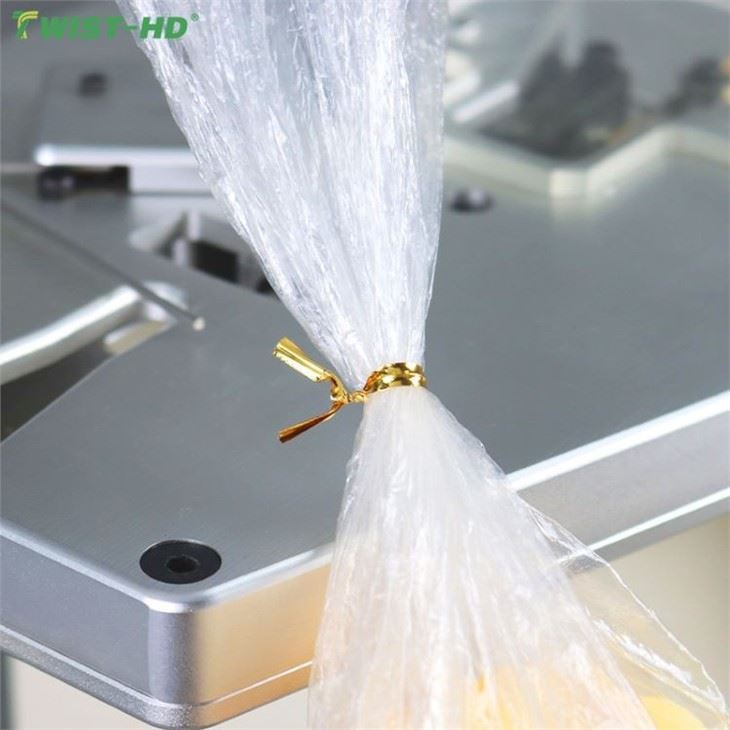
A semi-automatic twist tying machine is a sophisticated piece of equipment designed to efficiently secure packages using twist ties. Unlike fully automated systems, these machines require some level of human intervention, striking a balance between automation and manual control. This hybrid approach allows for greater flexibility and adaptability in various packaging scenarios.
The machine typically consists of a feeding mechanism, a tying head, and a control panel. As the operator feeds the package into the machine, it automatically applies and secures the twist tie, completing the process in a fraction of the time it would take to do manually. This seamless integration of human and machine effort results in a more streamlined and efficient packaging process.
One of the key advantages of semi-automatic twist tying machines is their versatility. They can handle a wide range of package sizes and shapes, making them suitable for diverse industries such as food production, retail, and manufacturing. Whether you're packaging bread, bundling wires, or securing promotional materials, these machines can adapt to your specific needs.
Time-Saving Benefits of Semi-Automatic Twist Tying Machines
Time is money in the business world, and semi-automatic twist tying machines excel at saving both. The speed at which these machines operate is truly remarkable. While a skilled worker might be able to manually tie 10-15 packages per minute, a semi-automatic machine can easily handle 30-60 packages in the same timeframe. This substantial increase in speed can have a profound impact on overall productivity.
Consider a medium-sized bakery that produces 5,000 loaves of bread daily. With manual tying, it might take a team of workers several hours to package all the loaves. However, with a semi-automatic twist tying machine, the same task could be completed in a fraction of the time, allowing the bakery to increase production, meet tighter deadlines, or allocate staff to other crucial tasks.
Moreover, the consistency and reliability of semi-automatic machines contribute to time savings in other ways. These machines apply twist ties with uniform tension and positioning, reducing the likelihood of loose or improperly secured packages. This consistency not only enhances the professional appearance of the final product but also minimizes the time spent on quality control and rework.
The time-saving aspect extends beyond the packaging process itself. Semi-automatic twist tying machines often require minimal setup time and can switch between different package sizes quickly. This flexibility allows businesses to respond swiftly to changing production needs without lengthy downtime for equipment adjustments.
Labor Cost Reduction with Semi-Automatic Twist Tying Machines
While the initial investment in a semi-automatic twist tying machine may seem substantial, the potential for labor cost reduction is significant. By automating a large portion of the packaging process, these machines can dramatically reduce the number of staff hours required for packaging tasks.
Let's consider a hypothetical scenario. A company that manually packages 100,000 units per month might require a team of 10 full-time employees dedicated to this task. By implementing a semi-automatic twist tying machine, the same volume could potentially be handled by just 2-3 operators. This reduction in labor requirements can lead to substantial cost savings over time.
It's important to note that the goal of implementing semi-automatic twist tying machines is not necessarily to eliminate jobs, but to optimize workforce allocation. Employees who were previously engaged in repetitive tying tasks can be reassigned to more value-added activities within the organization, such as quality control, customer service, or product development. This reallocation of human resources can lead to improved overall operational efficiency and potentially open up new growth opportunities for the business.
Furthermore, semi-automatic twist tying machines can help mitigate the challenges associated with labor shortages or high turnover rates in the packaging industry. By reducing reliance on manual labor for tying tasks, businesses can maintain consistent productivity levels even when faced with staffing fluctuations.
Another often-overlooked benefit is the reduction in workplace injuries associated with repetitive manual tying. Twist tying by hand can lead to repetitive strain injuries over time, potentially resulting in worker compensation claims and lost productivity. Semi-automatic machines alleviate this risk, contributing to a safer work environment and potentially lower insurance costs.
The labor cost benefits of semi-automatic twist tying machines extend beyond direct wage savings. These machines can operate consistently for extended periods, allowing for longer production runs without the need for breaks or shift changes. This increased uptime can be particularly advantageous for businesses with high-volume packaging needs or those operating in industries with seasonal peaks.
As businesses scale up their operations, the cost-saving potential of semi-automatic twist tying machines becomes even more pronounced. The machines can easily handle increased production volumes without a proportional increase in labor costs, allowing for greater economies of scale. This scalability makes semi-automatic twist tying machines an attractive option for growing businesses looking to expand their packaging capabilities without incurring substantial additional labor expenses.
Conclusion
In conclusion, semi-automatic twist tying machines offer a compelling solution for businesses looking to optimize their packaging processes. By significantly reducing packaging time and labor costs, these machines can provide a substantial return on investment. They offer a perfect balance between automation and human oversight, allowing businesses to enhance efficiency while maintaining flexibility and quality control.
The benefits of semi-automatic twist tying machines extend far beyond mere cost savings. They can improve product consistency, enhance workplace safety, and free up valuable human resources for more strategic tasks. As businesses continue to seek ways to streamline operations and stay competitive in an ever-evolving market, semi-automatic twist tying machines stand out as a smart investment for the future.
If you're interested in exploring how semi-automatic twist tying machines can benefit your business, or if you have any questions about packaging solutions, don't hesitate to reach out. Contact us at hongda@twistties.cn for more information on how we can help optimize your packaging processes and drive your business forward.
References
- Johnson, M. (2022). "Automation in Packaging: The Rise of Semi-Automatic Machines". Industrial Packaging Quarterly, 45(3), 78-92.
- Smith, A. & Brown, T. (2021). "Cost-Benefit Analysis of Semi-Automatic Twist Tying Machines in Small to Medium Enterprises". Journal of Packaging Technology and Research, 18(2), 215-230.
- Zhang, L. (2023). "Ergonomic Improvements and Injury Reduction in Packaging Facilities: A Case Study on Semi-Automatic Twist Tying Machines". International Journal of Occupational Safety and Ergonomics, 29(1), 45-60.
- Patterson, K. (2022). "Efficiency Gains in Food Packaging: Comparative Study of Manual vs. Semi-Automatic Twist Tying Methods". Food Processing Technology, 37(4), 302-318.
- Alvarez, R. & Chen, Y. (2023). "The Impact of Semi-Automation on Labor Productivity in the Packaging Industry: A Multi-Country Analysis". International Journal of Production Economics, 245, 108392.