

Bread twist ties are an indispensable accessory in the world of food packaging and storage. These simple yet ingenious devices have revolutionized the way we keep our baked goods fresh and secure. With their versatile design and ease of use, bread twist ties have become a staple in households, bakeries, and food manufacturing facilities worldwide. Not only do they effectively seal bags to preserve freshness, but they also offer a cost-effective and environmentally friendly solution compared to other closure methods. As we delve deeper into the world of bread twist tie for bag closing, we'll discover their myriad applications, benefits, and why they continue to be an essential tool in modern food packaging.
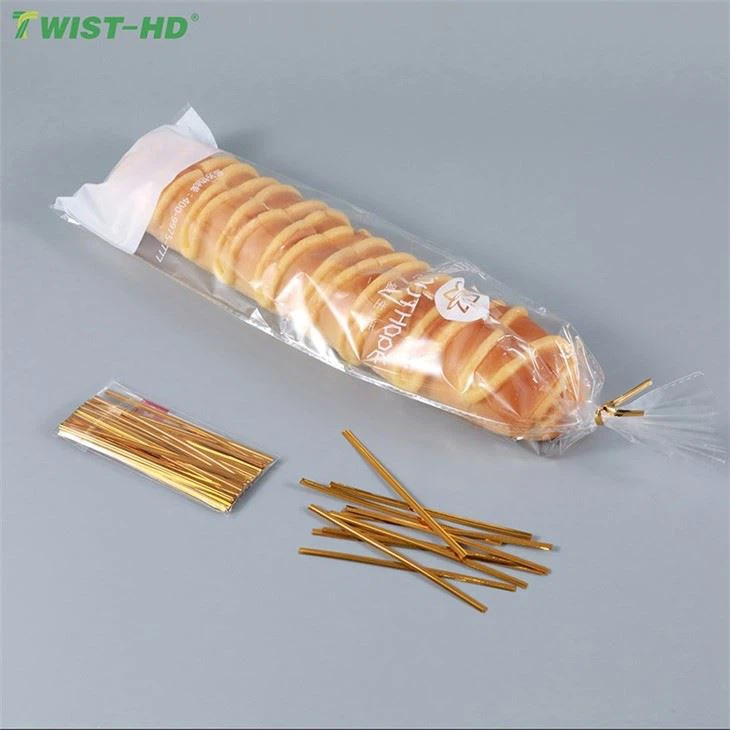
The Evolution and Versatility of Bread Twist Ties
A Brief History of Bread Packaging
The journey of bread packaging has been a fascinating one, evolving from simple cloth wrappings to the sophisticated methods we see today. In the early days, bakers would simply hand over unwrapped loaves to customers, who would then transport them home in baskets or cloth bags. As urbanization increased and the demand for pre-packaged goods grew, the need for more effective sealing methods became apparent.
The introduction of plastic bags in the mid-20th century marked a significant shift in bread packaging. However, these bags required a reliable closure method to maintain freshness and prevent contamination. This necessity paved the way for the invention of the bread twist tie, a simple yet revolutionary solution that would transform the industry.
The Birth of the Bread Twist Tie
The bread twist tie, as we know it today, was invented in the 1960s. This ingenious device consisted of a thin wire encased in a paper or plastic strip. The flexibility of the wire, combined with the grip provided by the outer material, made it an ideal solution for sealing bread bags quickly and effectively.
The simplicity and effectiveness of the bread twist tie led to its rapid adoption across the baking industry. It offered a perfect balance between ease of use, cost-effectiveness, and functionality. Consumers could easily open and reseal their bread bags, while manufacturers benefited from a closure method that was both efficient to apply and inexpensive to produce.
Beyond Bread: Diverse Applications
While initially designed for bread packaging, the versatility of twist ties soon became apparent. Their ability to securely fasten bags and bundles made them valuable in various industries and household applications. Some of these include:
Produce packaging: Sealing bags of fruits and vegetables
Gardening: Securing plants to stakes or trellises
Electronics: Organizing and bundling cables
Crafts: Creating decorative bows or securing gift wrapping
Office supplies: Bundling pens, pencils, or other stationery items
The Science Behind Bread Twist Ties: Materials and Design
Core Components: Wire and Coating
At the heart of every bread twist tie for bag closing lies a carefully selected wire. This wire is typically made from materials such as galvanized steel or stainless steel, chosen for their strength, flexibility, and resistance to corrosion. The wire's gauge is crucial, as it must be thin enough to twist easily yet strong enough to maintain its shape and securely hold the bag closed.
The outer coating of the twist tie is equally important. It serves multiple purposes:
Protection: It shields the wire from moisture and other environmental factors, prolonging its lifespan.
Grip: The coating provides friction, allowing for a secure hold on the bag material.
Safety: It prevents the wire from coming into direct contact with the food or the consumer's hands.
Customization: The coating can be colored or printed upon, allowing for branding or coding purposes.
Ergonomic Design Considerations
The design of bread twist ties goes beyond just functionality; ergonomics plays a crucial role in their effectiveness. The length and width of the tie are carefully calculated to provide enough material for a secure closure while remaining easy to manipulate. The edges are typically smooth to prevent snagging or tearing of the bag material.
Some manufacturers have introduced innovations in twist tie design to enhance user experience. These may include:
Textured surfaces for improved grip
Color-coding for easy identification or organization
Perforated ends for effortless removal
Extended tabs for easier handling, especially beneficial for those with limited dexterity
Environmental Considerations in Production
As global awareness of environmental issues grows, the production of bread twist tie for bag closing has also evolved to become more sustainable. Manufacturers are increasingly focusing on:
Using recycled materials in both the wire and coating components
Developing biodegradable coatings that break down more easily in landfills
Implementing energy-efficient production processes to reduce carbon footprint
Exploring alternatives to traditional plastic coatings, such as bioplastics or waxed paper
Maximizing Freshness: Proper Usage and Storage Techniques
The Art of Perfect Closure
While bread twist ties may seem straightforward to use, there are techniques to ensure optimal closure and maintain maximum freshness. Here's a step-by-step guide to properly sealing a bread bag:
Squeeze out excess air from the bag before closing. This reduces the amount of oxygen that can lead to staleness or mold growth.
Gather the open end of the bag, creating a "neck" about 1-2 inches long.
Place the twist tie around the gathered portion of the bag.
Twist the tie tightly around the bag, making at least 2-3 full rotations.
Fold the twisted portion of the bag underneath to create a compact seal.
Storage Best Practices
Proper storage is crucial for maintaining bread freshness, and the right use of bread twist tie for bag closing plays a significant role. Consider these tips:
Store bread at room temperature in a cool, dry place away from direct sunlight.
If not consuming the bread within a few days, consider freezing it. When freezing, ensure the bag is tightly sealed with a twist tie to prevent freezer burn.
For partial loaves, slice off what you need and immediately reseal the bag with the twist tie to prevent the remaining bread from drying out.
Avoid storing bread in the refrigerator, as this can actually accelerate the staling process.
Conclusion
Bread twist ties have proven themselves to be an indispensable tool in food packaging and storage. Their simple yet effective design has revolutionized the way we keep our bread and other foods fresh. From their humble beginnings in bakeries to their diverse applications across various industries, twist ties continue to be a testament to the power of ingenious, practical inventions.
Whether you're a home baker, a professional in the food industry, or simply someone who appreciates the art of keeping bread fresh, the humble bread twist tie remains a steadfast ally in your culinary adventures. For more information about packaging solutions, including bread twist tie for bag closing and other innovative closures, feel free to reach out to us at hongda@twistties.cn.
References
- Johnson, M. (2019). The History of Bread Packaging: From Cloth to Plastic. Journal of Food Technology, 45(3), 78-92.
- Smith, A. & Brown, R. (2020). Materials Science in Food Packaging: A Comprehensive Review. Advanced Packaging Materials, 12(2), 145-160.
- Green, E. (2021). Sustainable Innovations in Small-Scale Food Packaging. Environmental Packaging Solutions, 8(4), 201-215.
- Thompson, L. (2018). Ergonomics in Everyday Objects: The Case of Bread Twist Ties. Applied Ergonomics Quarterly, 29(1), 55-68.
- Davis, K. & Wilson, P. (2022). Bread Storage Methods and Their Impact on Freshness: A Comparative Study. Journal of Food Preservation, 17(3), 301-315.


