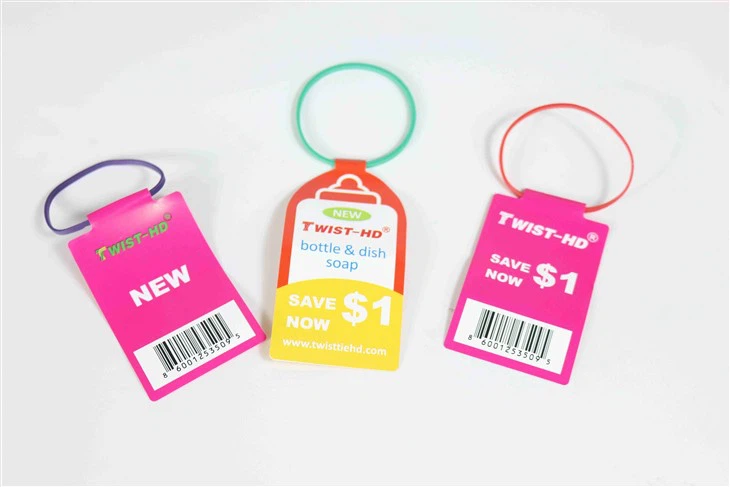
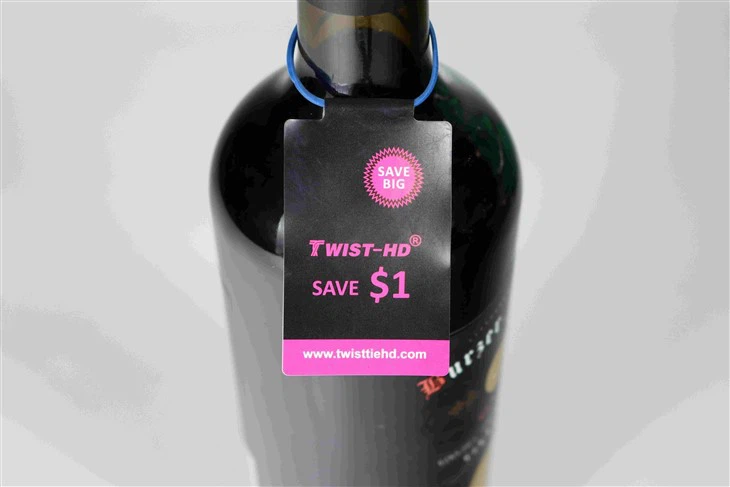
Compared to upgrading options like replacing primary packaging or adding bottle engraving, bottle neck tags offer a highly cost-effective optimization solution for B2B brands. Their core advantages are reflected in the following three points:
1. Controllable Costs: Minimum investment, high return
A single bottle neck tag costs only a few cents to a few yuan, significantly lower than replacing the primary label or upgrading the bottle. Furthermore, they support small-batch customization, making them easily affordable for startups and small and medium-sized brands, enabling a low-cost marketing upgrade.
2. Flexible Adaptability: Quickly Respond to Demand and Reduce Inventory Risk
When brands need to adjust promotional information, launch holiday collections, or update product details, they can customize a new bottle neck tag without having to re-produce the bottle or primary label. This reduces production cycles, enables rapid response to market changes, and avoids overstocking of primary packaging.
3. Diverse Applications: Covering the Entire Supply Chain, Value Embraced Throughout
The value of bottle neck hang tags is not only reflected in end-of-sale sales, but also throughout the entire product distribution chain:
Production: Printing batch numbers and production dates facilitates internal brand traceability management;
Distribution: Printing warehouse codes and delivery information facilitates efficient supply chain sorting;
Consumer: Delivering product information and marketing content, enhancing user experience, and forming a "full-chain value closed loop."
Applicable Industries and Applications:
Bottle neck hang tags are suitable for nearly all bottled product categories, and they can particularly demonstrate significant commercial value in the following industries:
1. Beverage Industry (Core Application)
Red Wine/Wine: Printing the origin, grape variety, aging time, and decanting instructions on the hang tag enhances a professional image;
White Wine/Whiskey: Using specialty paper hang tags, print the aroma, alcohol content, and drinking scenarios, complementing gift packaging to enhance the brand's appeal;
Beer/Premixed Cocktails: Using colorful hang tags with promotional information and trendy designs popular with young consumers attracts end-of-sale customers.
2. Beverage Industry
Functional Beverages: Hang tags featuring "Energy Formula" and "Application Scenarios" reinforce product functionality;
Cultural and Creative Beverages: Niche tea and fruit drinks feature brand stories and ingredient sources, conveying a "natural and original" aesthetic;
Premium Water: Labels highlight the water's origin and mineral content, highlighting a "pure and high-end" positioning.
3. Daily Chemicals and Cosmetics Industry
Essential Oil Fragrances: Hang tags featuring fragrance notes, usage instructions, and pairing suggestions help consumers quickly understand the product's value;
Premium Shampoo and Body Wash: Shampoo and shower gel sets feature a unified hang tag, highlighting the benefits of each bottle and enhancing the set's sophistication;
Niche Skincare: Labels featuring core selling points like "Zero Additives" and "Suitable for Sensitive Skin" convey a sense of safety and trust.
4. Food Industry
Sauces and condiments: Hang labels should include recipe recommendations and usage instructions to address consumers' confusion about how to use the product.
High-end honey/jam: Hang labels should include the origin of the ingredients, expiration date, and dietary restrictions to highlight their "natural, additive-free" nature.
More Information You Can Contact: hongda@twistties.cn