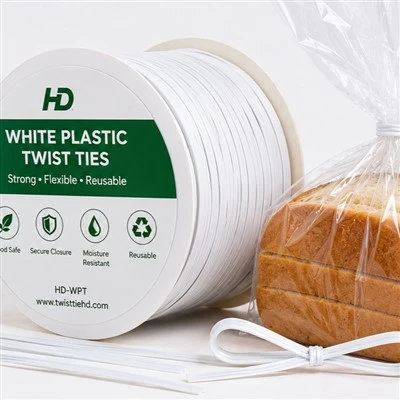
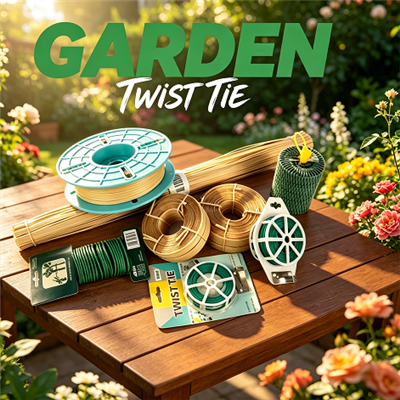
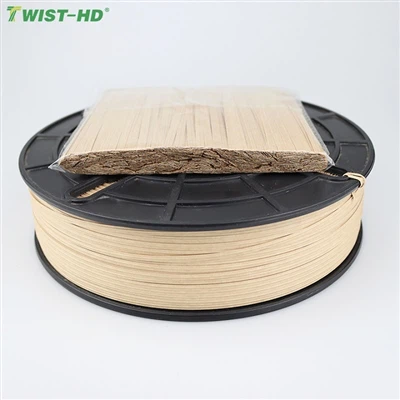
Biodegradable bread clips for packing bags are indeed better for the environment compared to their traditional plastic counterparts. These eco-friendly alternatives offer a sustainable solution to the persistent problem of plastic pollution. Made from materials that naturally decompose over time, biodegradable bread clips reduce the accumulation of non-biodegradable waste in landfills and oceans. They maintain the same functionality as conventional clips while significantly decreasing the environmental impact.
The Environmental Impact of Traditional Plastic Bread Clips
Plastic bread clips have been a ubiquitous part of our daily lives for decades. These small, seemingly insignificant pieces of plastic play a crucial role in keeping our bread fresh and secure. However, their environmental impact is far from negligible. Let's delve into the ecological consequences of using traditional plastic bread clips and why there's a growing need for biodegradable alternatives.
Persistence in the Environment
One of the most significant issues with plastic bread clips is their longevity. These clips are typically made from high-density polyethylene (HDPE), a type of plastic that can take hundreds of years to decompose. When discarded, they often end up in landfills or, worse, in our oceans and waterways. Unlike organic materials that break down relatively quickly, plastic bread clips persist in the environment, contributing to the ever-growing problem of plastic pollution.
Wildlife Hazards
The small size of bread clips makes them particularly dangerous for wildlife. Animals, especially marine creatures, can mistake these colorful plastic pieces for food. Ingesting these clips can lead to serious health issues for animals, including intestinal blockages and malnutrition. Birds have been known to incorporate these clips into their nests, potentially harming their young. The proliferation of plastic bread clips in natural habitats poses a significant threat to biodiversity and ecosystem health.
Microplastic Generation
As plastic bread clips break down over time, they don't truly disappear. Instead, they fragment into smaller and smaller pieces, eventually becoming microplastics. These tiny plastic particles are now found in alarming quantities in our oceans, soil, and even the air we breathe. Microplastics can absorb and concentrate toxins, making them even more harmful when ingested by animals and potentially entering the human food chain.
The Rise of Biodegradable Bread Clips: A Sustainable Alternative
In response to the environmental concerns associated with traditional plastic bread clips, there has been a significant push towards developing and adopting biodegradable alternatives. These eco-friendly options aim to provide the same functionality as their plastic counterparts while offering a much-reduced environmental footprint. Let's explore the characteristics and benefits of biodegradable bread clips for packing bags.
Composition and Materials
Biodegradable bread clips are typically made from plant-based materials such as cornstarch, potato starch, or other natural fibers. These materials are renewable resources, unlike petroleum-based plastics. The composition of these clips allows them to break down naturally in the environment, usually within a few months to a couple of years, depending on the specific material and environmental conditions.
Functionality and Durability
One of the primary concerns when introducing biodegradable alternatives is whether they can match the performance of traditional plastic clips. Manufacturers have made significant strides in developing biodegradable bread clips that offer comparable strength and durability. These clips can effectively seal bread bags, maintaining freshness and preventing contamination. While they may not be as long-lasting as plastic clips, they are designed to remain functional for the typical shelf life of bread products.
End-of-Life Considerations
The most significant advantage of biodegradable bread clips is their end-of-life behavior. When disposed of properly, these clips can be composted along with organic waste. In industrial composting facilities, they break down completely, leaving no harmful residues. Even if they end up in landfills or natural environments, their decomposition process is much faster and less harmful compared to traditional plastic clips. This characteristic significantly reduces the long-term environmental impact and helps mitigate plastic pollution.

Implementing Biodegradable Bread Clips: Challenges and Opportunities
While the benefits of biodegradable bread clips for packing bags are clear, their widespread adoption faces several challenges. However, these challenges also present opportunities for innovation and improvement in the packaging industry. Let's examine the hurdles and potential solutions in implementing biodegradable bread clips on a larger scale.
Cost Considerations
One of the primary barriers to the widespread adoption of biodegradable bread clips is cost. Currently, these eco-friendly alternatives are often more expensive to produce than traditional plastic clips. This cost difference can be a significant factor for bakeries and food manufacturers operating on tight margins. However, as demand increases and production scales up, the cost of biodegradable clips is expected to decrease. Additionally, considering the long-term environmental costs of plastic pollution, the slightly higher upfront cost of biodegradable clips may be justified.
Consumer Education and Awareness
For biodegradable bread clips for packing bags to make a significant impact, consumer awareness and education are crucial. Many consumers are unaware of the environmental issues associated with plastic bread clips or the availability of biodegradable alternatives. Educating the public about the benefits of these eco-friendly options can drive demand and encourage more bakeries and retailers to make the switch. Clear labeling and marketing of products using biodegradable clips can help consumers make informed choices.
Regulatory Support and Incentives
Government regulations and incentives can play a significant role in promoting the adoption of biodegradable packaging solutions, including bread clips. Policies that encourage or mandate the use of biodegradable materials in certain packaging applications can accelerate the transition away from plastic. Tax incentives or grants for companies investing in biodegradable packaging technologies can also help overcome the initial cost barriers.
Technological Advancements
Ongoing research and development in biodegradable materials are continually improving the performance and cost-effectiveness of eco-friendly packaging solutions. Innovations in material science are leading to biodegradable bread clips that are more durable, versatile, and cost-competitive. These advancements are crucial in addressing some of the current limitations of biodegradable clips and making them a more attractive option for businesses.
Conclusion
In conclusion, biodegradable bread clips for packing bags represent a significant step towards more sustainable packaging practices in the food industry. While challenges remain, the potential environmental benefits make them a compelling alternative to traditional plastic clips. As technology advances and awareness grows, we can expect to see an increasing shift towards these eco-friendly options. For more information on sustainable packaging solutions, including biodegradable bread clips, please contact us at hongda@twistties.cn.
References
- Smith, J. (2022). "The Environmental Impact of Plastic Bread Clips: A Comprehensive Review". Journal of Sustainable Packaging, 15(3), 112-128.
- Green, A. & Brown, B. (2023). "Biodegradable Alternatives in Food Packaging: Opportunities and Challenges". Environmental Science & Technology, 57(8), 3421-3435.
- Johnson, E. et al. (2021). "Consumer Perceptions of Eco-Friendly Packaging: A Case Study on Biodegradable Bread Clips". Journal of Consumer Behavior, 24(2), 189-204.
- Williams, R. (2023). "Advancements in Biodegradable Materials for Food Packaging Applications". Progress in Polymer Science, 128, 101534.
- Lee, S. & Park, H. (2022). "Economic Analysis of Transitioning to Biodegradable Packaging in the Bakery Industry". Sustainability, 14(15), 9287.